Introduction: The Importance of Lighting in Fashion Shows
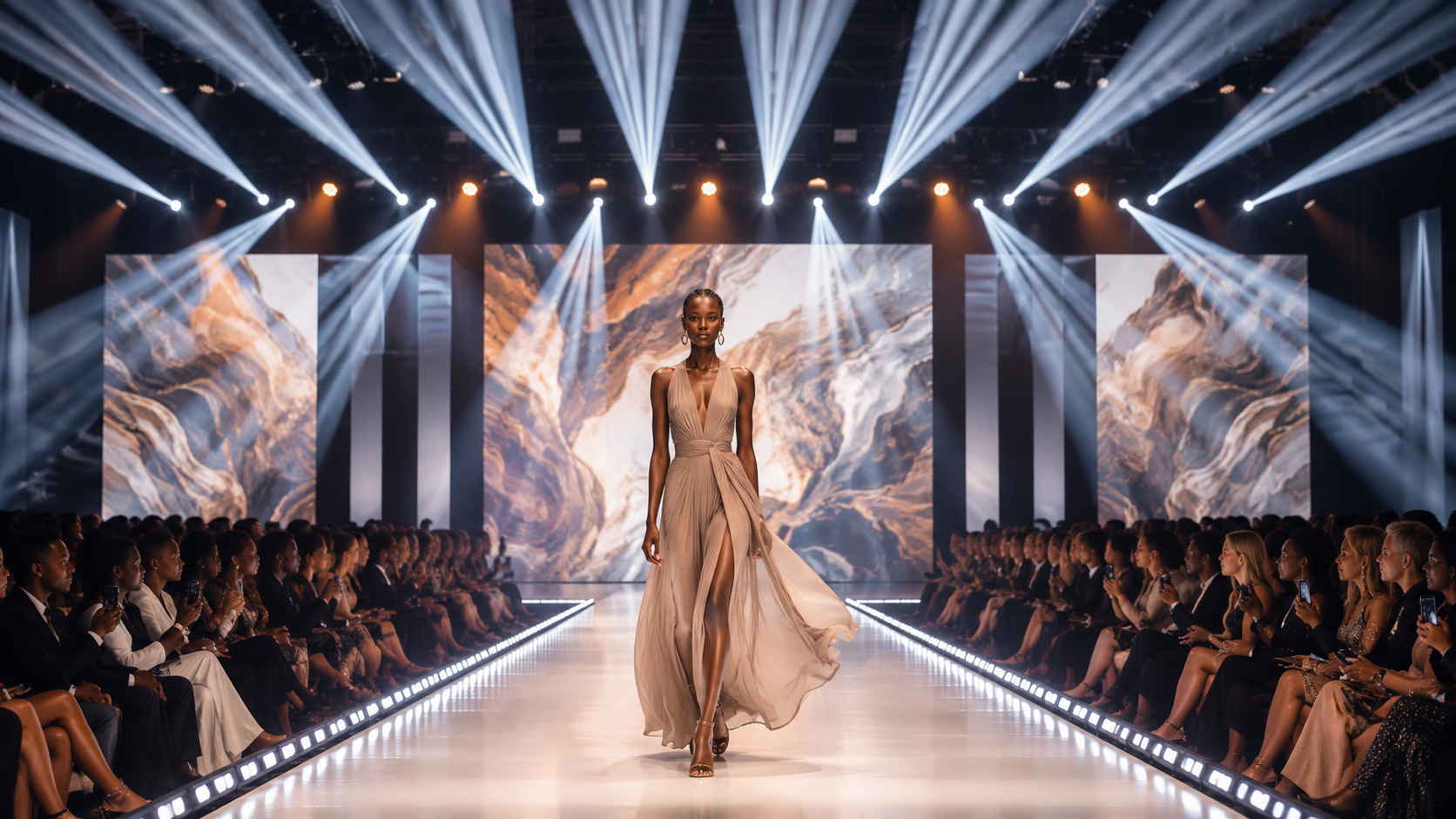
A fashion show is not only a platform for designers to present clothing collections but also a complete visual performance that combines fashion, music, stage design, and lighting technology. While clothing remains the main focus, professional lighting plays an equally important role in shaping the atmosphere, highlighting design details, and guiding the audience’s attention.
In a modern runway show, lighting is no longer limited to simply illuminating models. It has become a creative tool that helps tell a brand story, enhance emotional impact, and create memorable experiences. The right combination of stage lighting fixtures can transform an ordinary runway into a dynamic visual space where colors, movement, and textures are fully expressed.
Different fashion events require different lighting solutions. A luxury fashion show may need elegant and precise lighting to emphasize fabric quality and craftsmanship, while a youth-oriented fashion event may require colorful moving effects and dynamic stage lighting to create energy. Outdoor fashion shows require powerful and weather-resistant lighting systems that can perform reliably in changing environments.
Understanding how to match lighting fixtures with fashion show requirements is essential for lighting designers, event organizers, production companies, and stage professionals who want to create professional runway experiences.
Why Professional Lighting Is Essential for Fashion Shows
Enhancing Clothing Details and Fabric Appearance
The primary purpose of fashion show lighting is to make every detail of a collection visible. Different materials respond differently to light. Silk, velvet, leather, metallic fabrics, and transparent materials all require carefully designed lighting angles and color temperatures to show their unique characteristics.
For example, soft and warm lighting can enhance the elegance of luxury fabrics, while stronger directional lighting can emphasize the texture and structure of modern designs. Without proper lighting control, even the most creative clothing designs may lose their visual impact.
Professional runway lighting allows designers to control brightness, contrast, shadows, and colors, ensuring that each piece appears exactly as intended.
Creating Atmosphere and Emotional Connection
Lighting is one of the most powerful elements for creating atmosphere during a fashion show. Through changes in color, intensity, movement, and timing, lighting designers can influence how audiences feel during different parts of the event.
A dramatic opening may use narrow beams and dark backgrounds to build anticipation. A romantic collection may use soft warm tones and smooth transitions. A futuristic collection may combine cool colors, moving lights, and programmed effects to create a high-tech environment.
The relationship between lighting, music, and stage design creates a complete storytelling experience.
Supporting Photography and Video Production
Most fashion shows today are photographed, recorded, and shared through digital platforms. Therefore, lighting must also meet the requirements of cameras and online media.
Professional lighting fixtures help achieve:
Stable brightness levels
Accurate color reproduction
Reduced shadows
Flicker-free performance
Clear details in high-resolution video
Well-designed lighting ensures that fashion collections look impressive not only in the venue but also in photos, livestreams, and promotional videos.
Main Types of Stage Lighting Fixtures Used in Fashion Shows
1. Moving Head Beam Spot Wash Lights
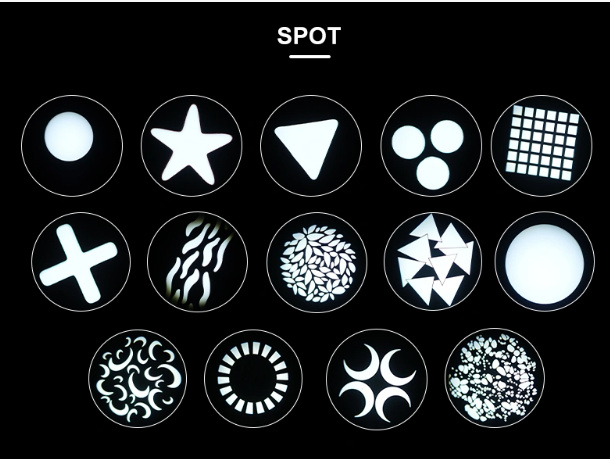
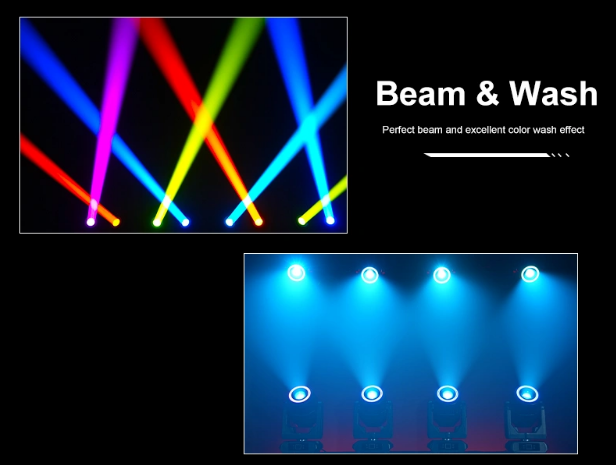
Moving head lights are among the most commonly used fixtures in modern fashion shows because they combine flexibility, power, and creative possibilities.
A hybrid moving head light usually integrates three functions:
Beam lighting
Spot projection
Wash illumination
The beam function produces sharp and concentrated light effects, often used for dramatic entrances, opening performances, and background effects.
The spot function provides accurate highlighting of models walking on the runway. Lighting designers can adjust the position, focus, and angle to ensure models remain visually emphasized throughout the show.
The wash function creates wide-area illumination, helping establish the overall color atmosphere of the stage.
Moving head fixtures are especially suitable for:
Large fashion weeks
Brand launch events
Indoor runway shows
Entertainment fashion productions
Because they can move, rotate, change colors, and create different effects, moving head lights provide excellent creative flexibility.
2. Profile Moving Head Lights and Framing Spotlights
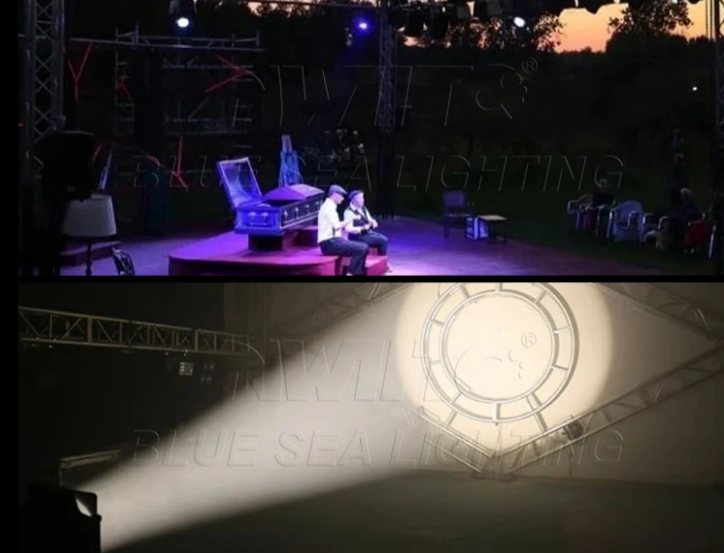
Profile lights are designed for precision lighting applications where accurate positioning is important.
Unlike general wash lights, profile fixtures can create clearly defined lighting areas. They are commonly used to highlight:
Models
Designer presentations
Specific stage areas
Decorative elements
Many professional profile lights include framing shutters, allowing lighting designers to shape the beam and control exactly where the light appears.
For high-end fashion shows, profile lighting is important because it provides a clean and elegant appearance. It prevents unnecessary light spill and ensures that attention remains focused on the runway.
Typical applications include:
Luxury fashion shows
Theater-style runway presentations
Indoor exhibition events
Fashion photography environments
3. LED Wash Lights for Background and Stage Atmosphere
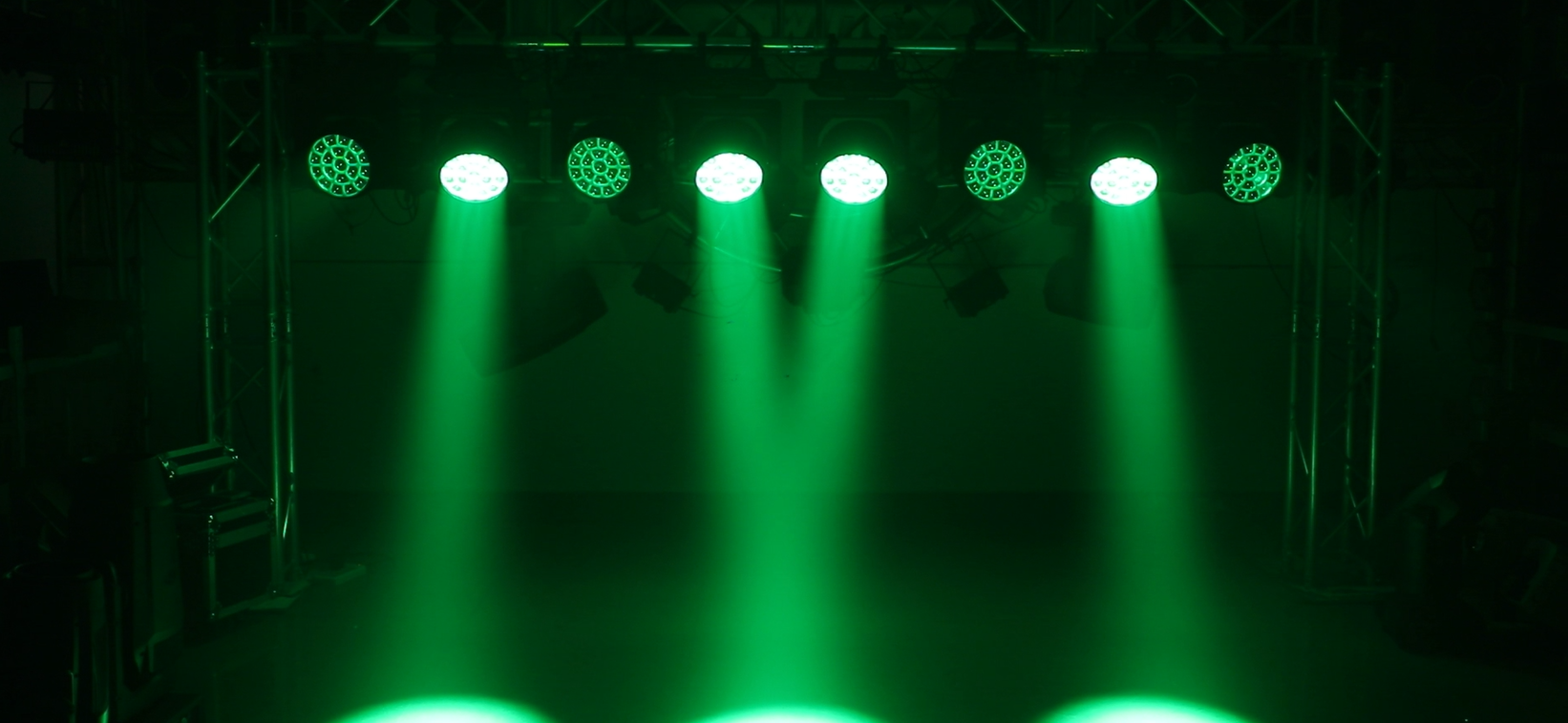
LED wash lights are essential fixtures for creating the overall visual environment of a fashion show.
Unlike spotlights that focus on specific areas, wash lights provide broad and even illumination. They are often installed around the stage, runway sides, or background structures.
Their main functions include:
Creating background colors
Filling dark areas
Supporting stage atmosphere
Enhancing visual depth
RGB, RGBW, and RGBA LED wash lights allow lighting designers to produce millions of color combinations. This makes them suitable for fashion shows with different themes.
For example:
Blue tones can create a futuristic atmosphere
Warm colors can create luxury and elegance
Dynamic color changes can enhance energetic fashion events
4. LED Fresnel Lights for Soft Professional Illumination
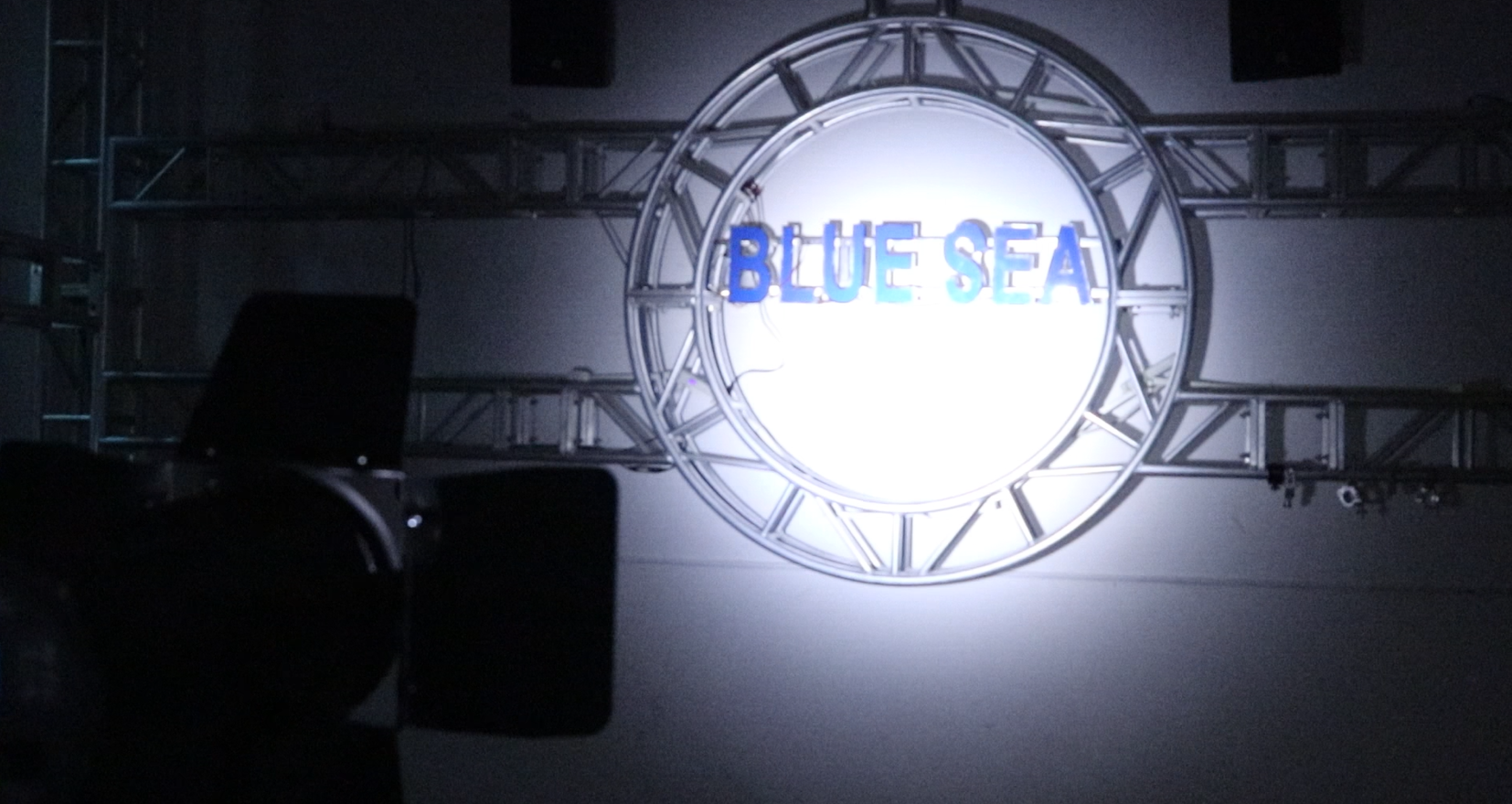
Fresnel lights are widely used in fashion studios, theaters, and professional events because they provide smooth and natural lighting.
Their characteristics include:
Soft beam edges
Adjustable beam angles
Natural skin tones
High color accuracy
During fashion shows, Fresnel lights are often used for:
Model face lighting
Front illumination
Camera-friendly lighting
Designer interviews
Compared with traditional halogen Fresnel lights, LED Fresnel fixtures provide lower energy consumption, less heat output, and longer operating life.
They are particularly useful when fashion shows require both stage performance and professional video recording.
5. LED PAR Lights for Color Enhancement
.jpg)
LED PAR lights are simple but highly practical fixtures used in many fashion events.
They are commonly used for:
Stage background lighting
Side lighting
Decorative lighting
Architectural lighting effects
Because they are compact and easy to install, PAR lights are often combined with other fixtures to create a complete lighting system.
For smaller fashion shows or exhibition runway events, LED PAR lights provide an efficient solution for adding color and visual layers.
6. Strobe Lights and Effect Lighting Fixtures
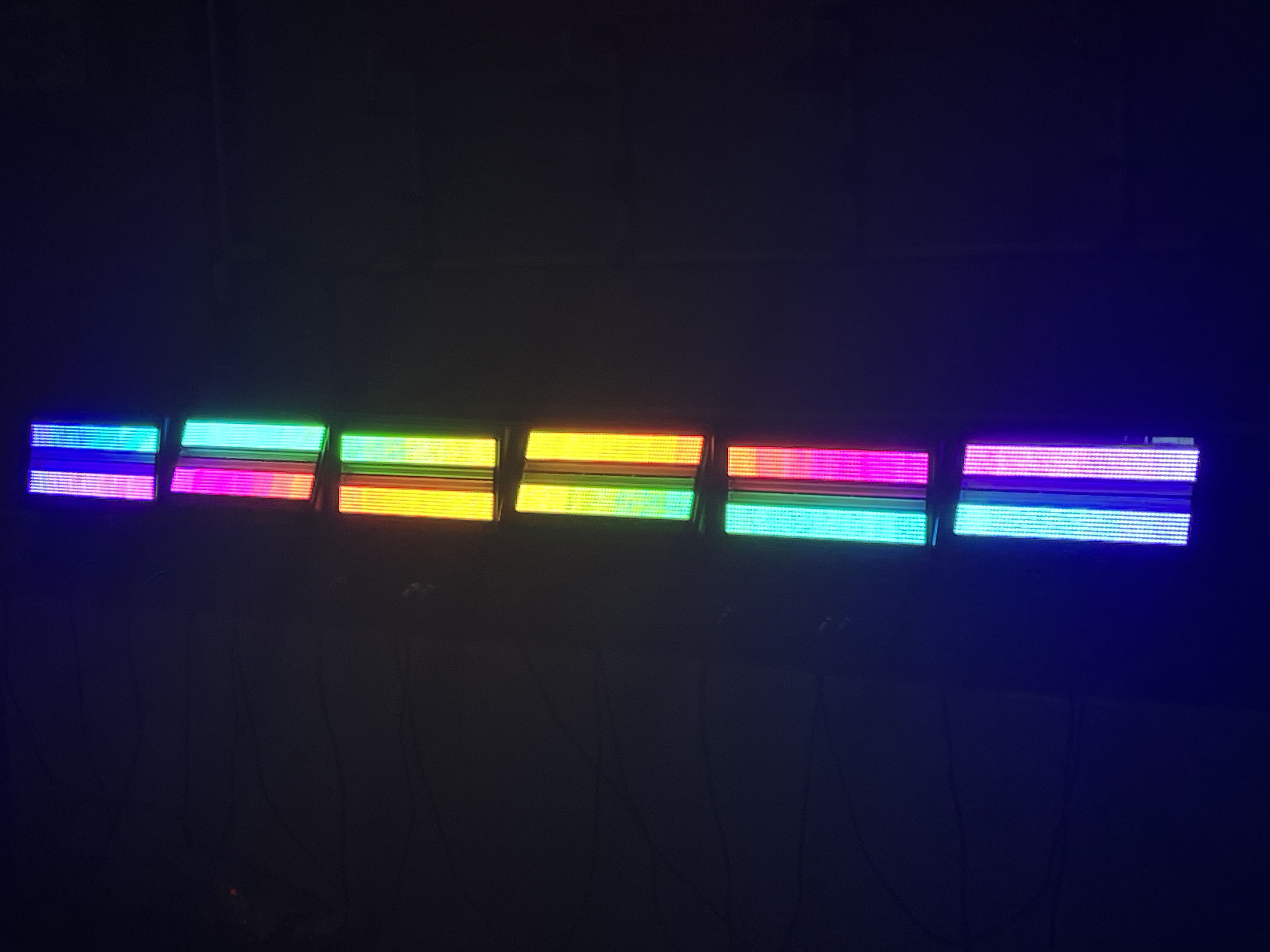
Effect lighting creates excitement and dramatic moments during fashion shows.
Strobe lights are commonly used during:
Opening scenes
Music transitions
Final appearances
High-energy fashion performances
Modern LED strobe fixtures can provide powerful flashes while also offering color effects and continuous lighting modes.
Other effect fixtures, such as:
Laser lights
Pixel lights
Blinder lights
Special effect lights
can add creativity and enhance the entertainment value of runway productions.
However, effect lighting should be carefully programmed to avoid distracting from the fashion itself.
7. Pixel Bar Lights and LED Matrix Systems
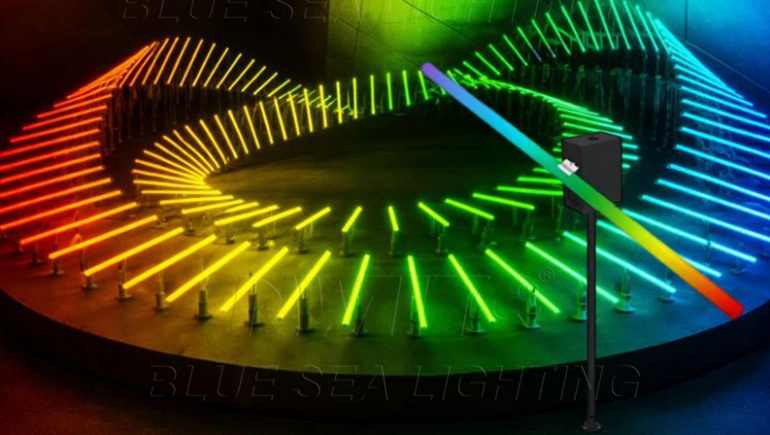
With the development of creative stage design, pixel lighting has become increasingly popular in fashion events.
Pixel fixtures allow each LED section to be controlled independently, creating:
Animated patterns
Moving graphics
Color transitions
Digital visual effects
They can be installed:
Behind the runway
Around stage structures
On LED walls
As decorative elements
Pixel lighting is especially suitable for modern fashion shows that combine technology, music, and visual performance.
8. Follow Spotlights for Model Tracking
.jpg)
Follow spotlights are traditional but still important lighting fixtures for runway shows.
Their main purpose is to keep models clearly illuminated while they move along the runway.
Professional follow spotlights provide:
Long-distance projection
Adjustable brightness
Precise tracking
Stable illumination
For large venues, follow spots help maintain consistent lighting coverage when models move through different areas of the stage.
How to Match Lighting Fixtures with Different Fashion Styles
Different fashion concepts require different lighting designs. A successful runway lighting system should not only provide enough brightness but also match the style, theme, and emotional expression of the collection. Lighting designers usually consider the clothing materials, stage size, venue environment, music style, and brand image before selecting suitable lighting fixtures.
Lighting Solutions for Luxury Fashion Shows
Luxury fashion shows focus on elegance, sophistication, and premium visual presentation. The lighting design usually avoids excessive effects and emphasizes clean, accurate, and artistic illumination.
For this type of event, the lighting system often includes:
Profile moving head lights
LED Fresnel lights
Soft wash lights
Warm white spotlights
Follow spotlights
Profile lighting is widely used because it creates precise beams that highlight models and clothing details. Designers can control the lighting area carefully, ensuring that attention remains focused on the garments.
For luxury collections featuring delicate fabrics such as silk, lace, and high-end textiles, soft lighting is especially important. LED Fresnel lights can create natural skin tones and smooth illumination, helping audiences appreciate the texture and craftsmanship of the clothing.
Warm white lighting is also commonly used in premium fashion environments because it creates a comfortable and elegant atmosphere. It works particularly well for evening fashion shows, luxury brand events, and designer presentations.
Lighting Solutions for Modern Street Fashion Shows
Street fashion represents creativity, individuality, and energy. Compared with luxury fashion shows, streetwear events often use stronger colors, dynamic movement, and more dramatic visual effects.
Recommended lighting combinations include:
Moving head beam lights
LED wash lights
Pixel bar lights
RGB effect lights
Strobe lights
Moving head fixtures can create fast-changing effects that match energetic music and modern stage designs. Beam effects can add depth to the venue, while wash lighting can transform the entire stage environment with different colors.
Pixel lighting systems are also becoming increasingly popular in street fashion events. They can display animated patterns and digital effects, creating a connection between fashion and modern technology.
For youth-focused fashion shows, creative lighting programming is often as important as the physical fixtures themselves. By synchronizing lighting movements with music, designers can create a more immersive experience.
Lighting Solutions for Wedding Fashion Shows
Wedding fashion shows usually require a romantic, elegant, and emotional atmosphere. The lighting should highlight wedding dresses while maintaining a soft and beautiful visual effect.
Commonly used fixtures include:
LED Fresnel lights
Soft LED wash lights
Profile spotlights
Moving head wash lights
Soft white lighting is often preferred because it represents purity and elegance. The lighting should avoid harsh shadows that may affect the appearance of wedding dresses and models.
For bridal collections featuring lace, embroidery, and sparkling materials, carefully positioned spotlights can enhance details and create beautiful reflections.
Moving head wash lights can also be used to create gentle color backgrounds, such as warm gold, soft pink, or pastel tones.
Lighting Solutions for Outdoor Fashion Events
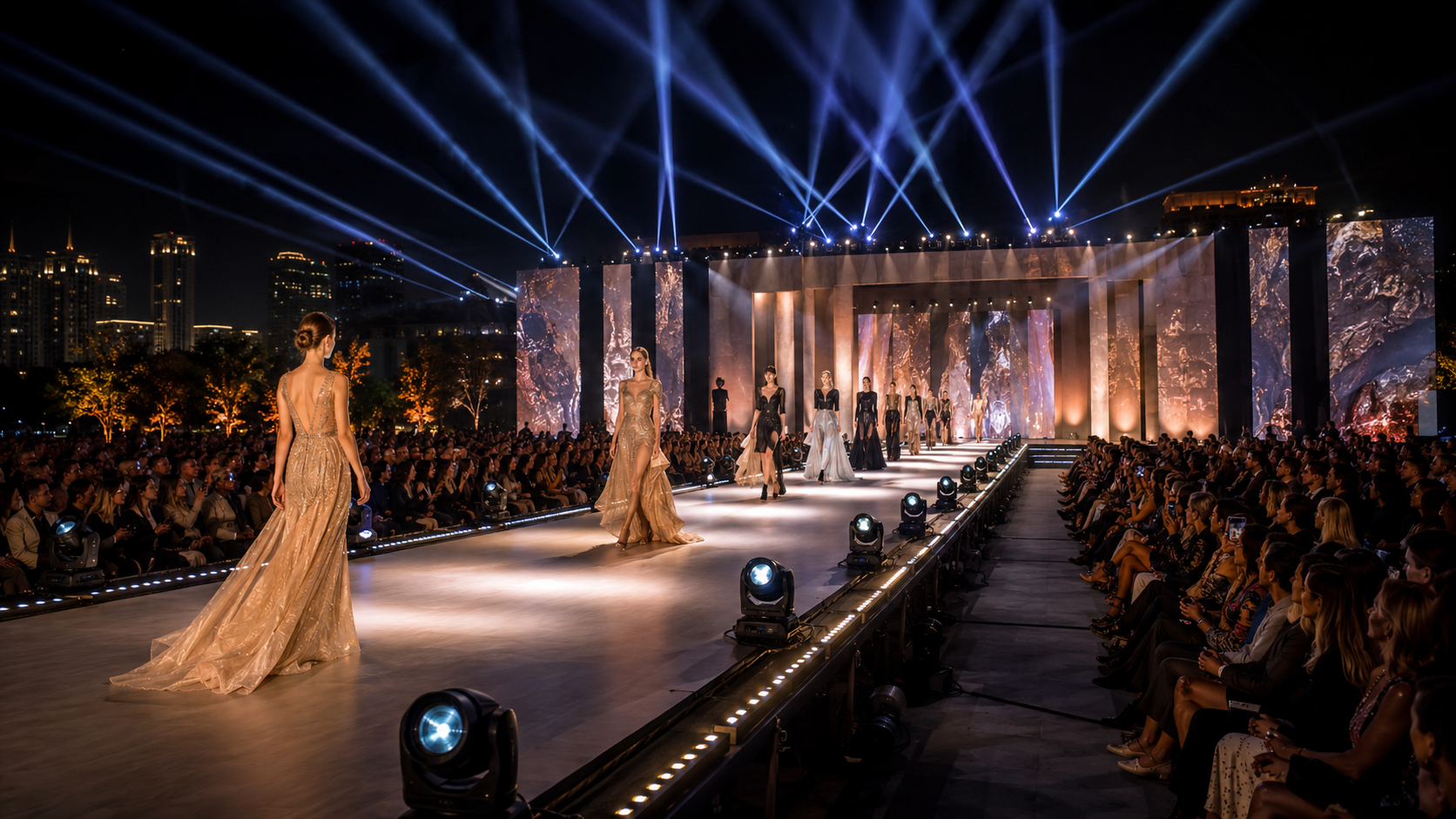
Outdoor fashion shows create unique challenges because lighting equipment must compete with natural surroundings and changing weather conditions.
Outdoor events usually require:
High-output moving head lights
Waterproof LED fixtures
Powerful wash lights
Outdoor PAR lights
Large-area effect lighting
Brightness is one of the most important factors for outdoor fashion lighting. During daytime or large open-air events, low-power fixtures may not create enough visual impact.
Weather resistance is also essential. Outdoor lighting equipment should have suitable protection against rain, dust, and temperature changes.
For outdoor fashion festivals, lighting designers often combine powerful moving lights with architectural lighting to create a complete visual environment.
Fashion Show Lighting Design Techniques
1. Using Color Temperature to Influence Visual Style
Color temperature plays an important role in fashion presentation.
Different color temperatures create different feelings:
Warm White Lighting
Warm white lighting creates:
Luxury atmosphere
Romantic feeling
Comfortable environment
It is often used for:
Wedding fashion
Luxury brands
Classic collections
Cool White Lighting
Cool white lighting creates:
Modern atmosphere
Clean visual appearance
Technology-inspired style
It is suitable for:
Futuristic fashion
Modern designs
Digital fashion events
Professional lighting designers often combine different color temperatures to create contrast and depth.
2. Controlling Beam Angles and Lighting Positions
The position and angle of lighting fixtures directly affect how clothing appears.
Front lighting helps show:
Facial expressions
Clothing colors
Overall appearance
Side lighting creates:
Depth
Body shape definition
Dramatic shadows
Back lighting creates:
Silhouette effects
Stage depth
Visual separation
A professional runway usually combines multiple lighting directions instead of relying on one single light source.
3. Creating Dynamic Effects Through Lighting Programming
Modern fashion shows often use DMX lighting control systems to program complex lighting scenes.
Lighting programming allows designers to control:
Brightness changes
Color transitions
Fixture movement
Effect timing
For example, during the opening of a fashion show, moving head lights may slowly create beams across the stage. During the final presentation, brighter colors and dynamic effects may be introduced to increase audience excitement.
Synchronization between lighting, music, and video content has become an important trend in professional fashion productions.
4. Balancing Stage Lighting and Audience Experience
A good lighting design should enhance the fashion show without distracting from the models and clothing.
Too much effect lighting may reduce attention on the collection. Too little lighting may make the event appear flat and unprofessional.
Lighting designers need to maintain balance between:
Fashion presentation
Visual effects
Photography requirements
Audience comfort
The best runway lighting supports the fashion instead of competing with it.
Future Trends of Fashion Show Lighting
Intelligent Lighting Systems
The future of fashion show lighting will continue moving toward intelligent and automated systems.
Modern lighting equipment increasingly includes:
Automated positioning
Wireless control
Advanced color management
Real-time programming
These technologies allow designers to create more complex and flexible stage environments.
Integration of Lighting and Digital Technology
Fashion shows are increasingly combining physical runway presentations with digital experiences.
Future lighting designs may integrate:
LED screens
Interactive lighting
Augmented reality effects
Virtual stage environments
Lighting will become part of a larger digital storytelling system.
Sustainable and Energy-Efficient Lighting
Environmental awareness is also influencing stage lighting development.
LED technology has become the preferred choice for many fashion events because it offers:
Lower energy consumption
Longer lifespan
Reduced heat output
Easier maintenance
Future fashion shows will likely continue adopting energy-efficient lighting solutions while maintaining creative visual quality.
Conclusion: Creating Unforgettable Fashion Experiences Through Lighting
Fashion show lighting is a combination of technology, creativity, and artistic design. The right combination of stage lighting fixtures can transform a simple runway into an immersive visual experience.
Moving head lights provide dynamic movement and powerful effects. Profile lights create precise highlights. LED wash lights build atmosphere. Fresnel lights deliver professional illumination. Pixel lighting and effect fixtures add creativity and modern visual expression.
A successful lighting design considers the fashion theme, venue environment, audience experience, and production requirements. By selecting suitable lighting fixtures and applying professional programming techniques, designers can create runway shows that leave a lasting impression.
As fashion continues to evolve, stage lighting will remain an essential element in transforming clothing presentations into complete visual performances.



Blue Sea Lighting is an enterprise with rich experience in the integration of industry and trade in stage lighting and stage special effects related equipment. Its products include moving head lights, par lights, wall washer lights, logo gobo projector lights, power distributor, stage effects such as electronic fireworks machines, snow machines, smoke bubble machines, and related accessories such as light clamps.
Quick Links
For more questions subscribe to our email