Introduction: Intelligent Control Technology Reshaping Modern Stage Lighting
In recent years, the stage lighting industry has experienced significant technological transformation. Traditional lighting systems that mainly focused on basic illumination have gradually evolved into intelligent lighting solutions capable of precise control, dynamic effects, and complex visual expression.
With the continuous growth of concerts, music festivals, theater productions, corporate events, exhibitions, and outdoor performances, lighting fixtures are required to deliver not only higher brightness but also greater flexibility and accuracy.
Modern lighting control fixtures integrate advanced optical systems, motorized structures, digital communication technologies, and intelligent control functions. These improvements allow lighting designers to precisely adjust every aspect of a light source, including intensity, color, beam shape, focus, and movement.
Among the many control functions available today, five adjustment modes have become fundamental technologies in professional stage lighting applications:
Brightness Adjustment Mode
Color Adjustment Mode
Beam Angle Adjustment Mode
Focus and Zoom Adjustment Mode
Movement and Position Adjustment Mode
Understanding these five adjustment methods provides insight into how modern lighting systems create immersive and visually engaging environments.
The Evolution of Lighting Control Technology
The development of stage lighting has always been closely connected with technological innovation.
Early stage lighting systems mainly relied on fixed-position lamps with manual operation. Lighting technicians needed to physically adjust fixtures to change direction, intensity, or color.
The introduction of digital control systems, especially DMX512 technology, changed the way lighting equipment was operated. Lighting operators could remotely control multiple fixtures from a lighting console, making complex programming and synchronized effects possible.
Today, intelligent fixtures combine:
LED light sources
Digital control systems
Motorized optical components
Wireless communication technologies
Automated positioning systems
These technologies have transformed lighting from a simple supporting element into an important part of stage design and visual storytelling.
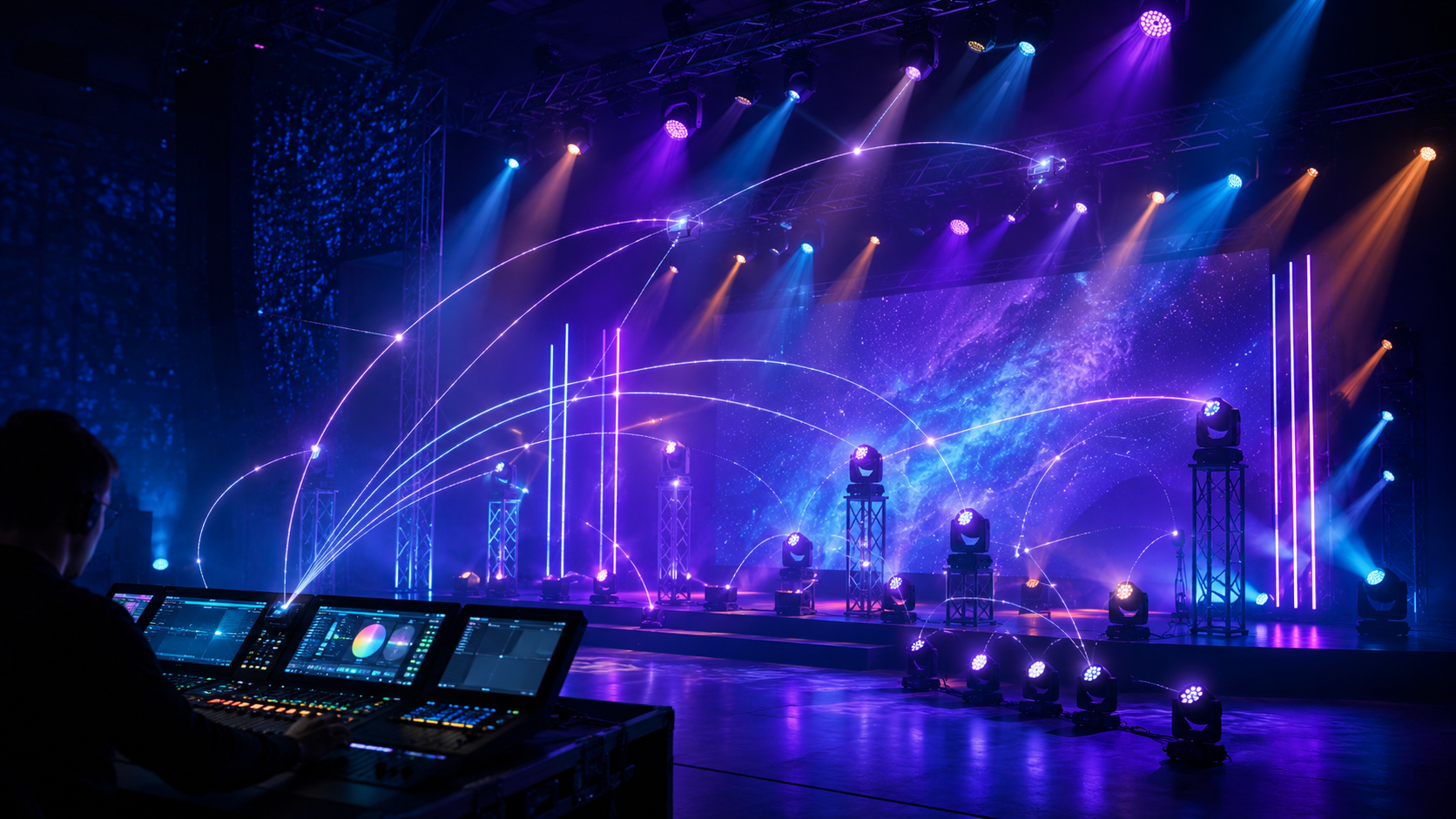
1. Brightness Adjustment Mode: Precise Control of Light Intensity
Brightness adjustment is one of the most essential functions of professional lighting fixtures.
The intensity of light directly affects the atmosphere, focus, and emotional impact of a performance. Different scenes require different brightness levels, from subtle background illumination to powerful stage effects.
Modern lighting fixtures usually provide accurate dimming systems that allow gradual changes between minimum and maximum output.
Digital Dimming Technology
Unlike traditional lighting systems that could only switch between on and off states, modern LED fixtures support smooth dimming through digital control.
Common brightness control features include:
0–100% intensity adjustment
Smooth fade transitions
Multiple dimming curves
DMX512 or network-based control
These functions allow lighting designers to create natural transitions without sudden changes.
For example, during a theater performance, lighting intensity can gradually increase as a scene develops, helping guide audience attention without distracting from the performance.
Brightness Adjustment Applications
Concert Productions
Concert lighting requires rapid brightness changes to match music rhythm and stage effects.
During quiet sections, lower intensity lighting creates a more emotional atmosphere. During energetic moments, higher output enhances visual impact.
Theater and Performing Arts
Theater lighting depends heavily on subtle brightness control. Small intensity changes can help distinguish different scenes, emotions, and performance areas.
Events and Exhibitions
Corporate events and exhibitions often require balanced illumination that highlights products, speakers, or display areas while maintaining visual comfort.
Outdoor Performances
Outdoor events require powerful output levels to overcome environmental lighting conditions, especially during evening performances in large venues.
2. Color Adjustment Mode: Expanding Visual Expression Through Light
Color is one of the most influential elements in lighting design.
Different colors can create completely different emotional experiences. Warm tones often create comfortable and intimate environments, while cool tones can produce futuristic or energetic atmospheres.
Modern lighting fixtures use advanced color adjustment technologies to provide greater creative freedom.
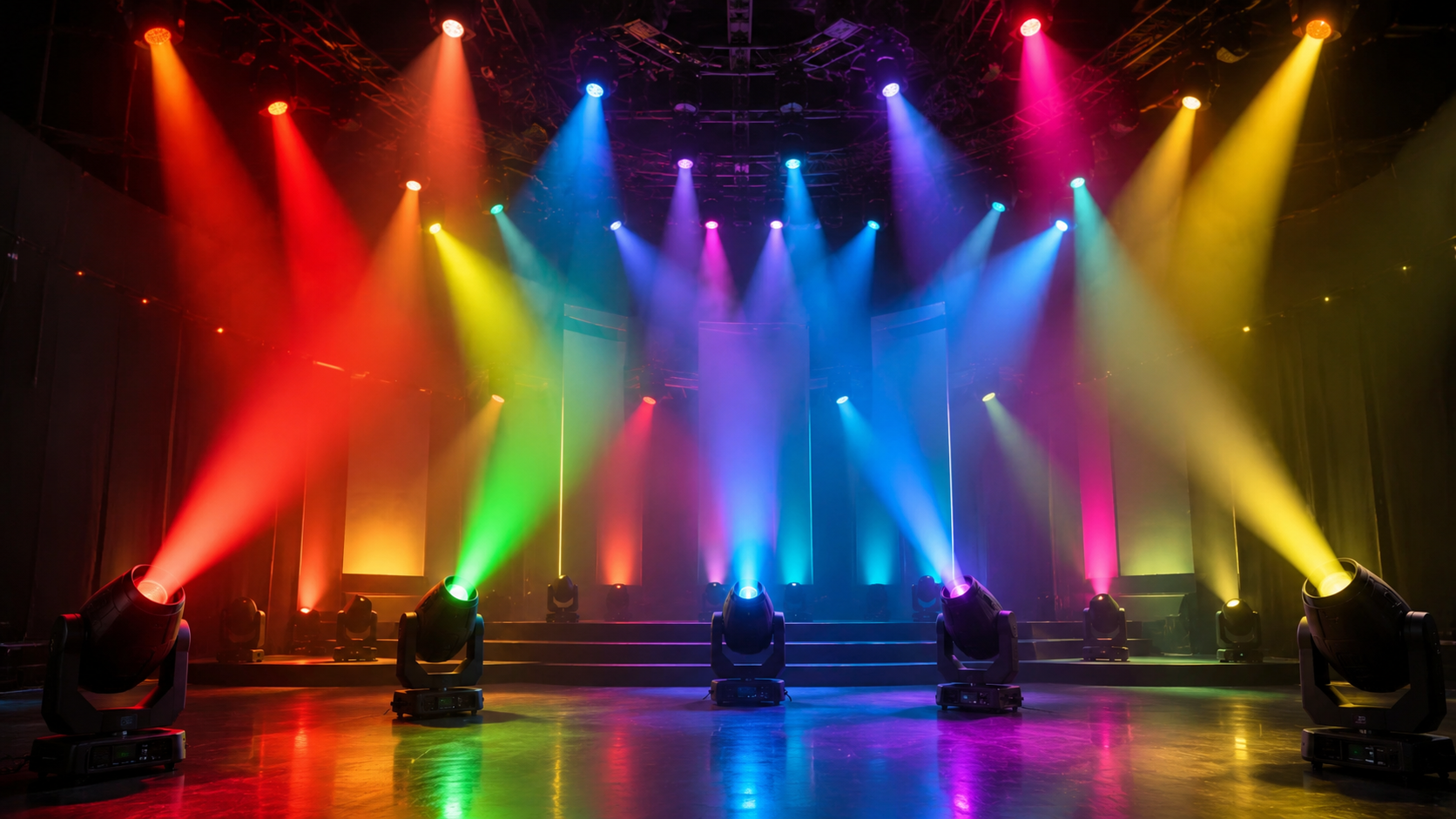
RGB and RGBW Color Mixing
RGB technology combines red, green, and blue LED sources to generate a wide range of colors.
RGBW systems add a dedicated white LED channel, improving white light quality and expanding color possibilities.
These systems are widely used in:
Stage performances
Entertainment venues
Architectural lighting
Festivals
Interactive installations
By adjusting each color channel independently, designers can create smooth color transitions and dynamic lighting effects.
CMY Color Mixing Technology
Professional moving head fixtures often use CMY color mixing systems.
Unlike traditional color wheels that switch between fixed colors, CMY technology creates colors by combining cyan, magenta, and yellow filters.
Advantages include:
Smooth color transitions
More natural color changes
Greater color variety
Professional stage appearance
This technology is commonly used in large-scale productions where precise color control is required.
Color Temperature Adjustment
Besides color effects, professional lighting systems also require accurate white light control.
CTO (Color Temperature Orange) adjustment allows fixtures to shift between cooler and warmer white tones.
This is particularly important in:
Television studios
Theater productions
Photography environments
Live broadcasting
Accurate color temperature control helps maintain consistent visual quality across different scenes.
3. Beam Angle Adjustment Mode: Managing Lighting Coverage
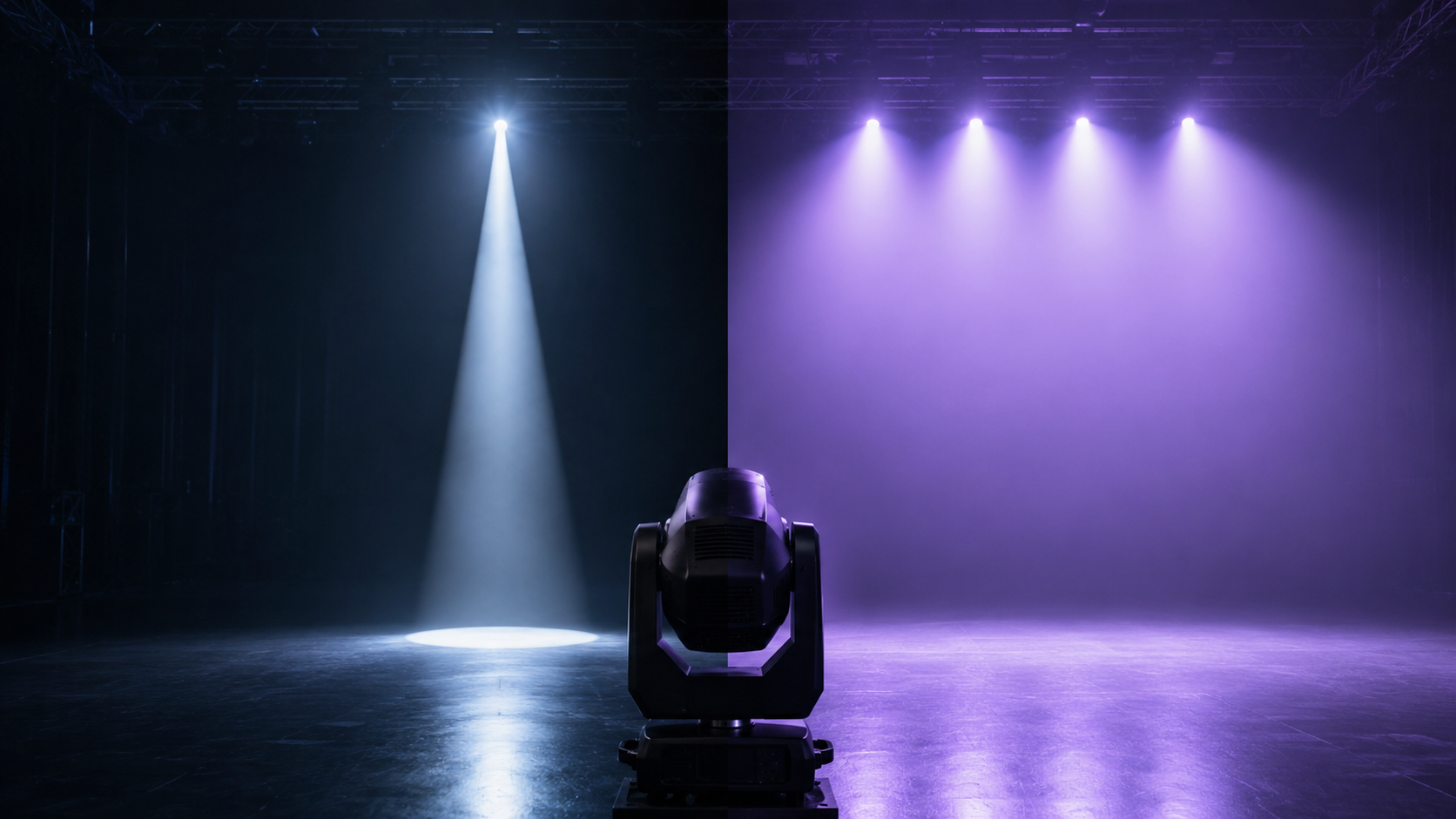
Beam angle determines how light spreads across a space.
A narrow beam creates concentrated and powerful effects, while a wider beam provides broader illumination.
The ability to adjust beam angles gives lighting designers greater flexibility without changing equipment.
Narrow Beam Applications
Narrow beams are commonly used for:
Highlighting performers
Creating aerial effects
Producing dramatic stage visuals
Long-distance projection
When combined with haze or fog effects, narrow beams become visible in the air, creating three-dimensional lighting scenes.
Wide Beam Applications
Wide beams are suitable for:
Stage washing
Background illumination
Audience lighting
Architectural applications
They provide even coverage and help create balanced environments.
Motorized Zoom Systems
Modern intelligent fixtures often include motorized zoom functions.
Through remote control, operators can quickly change from a narrow beam effect to a wide wash effect.
This flexibility allows one fixture to perform multiple roles during a production.
For example:
A narrow beam can emphasize a dramatic moment.
A wider beam can create overall stage illumination.
This reduces the need for multiple types of fixtures and improves production efficiency.
4. Focus and Zoom Adjustment Mode: Improving Projection Accuracy and Flexibility
In modern stage lighting systems, focus and zoom adjustment technologies have become essential functions for achieving precise and adaptable lighting effects.
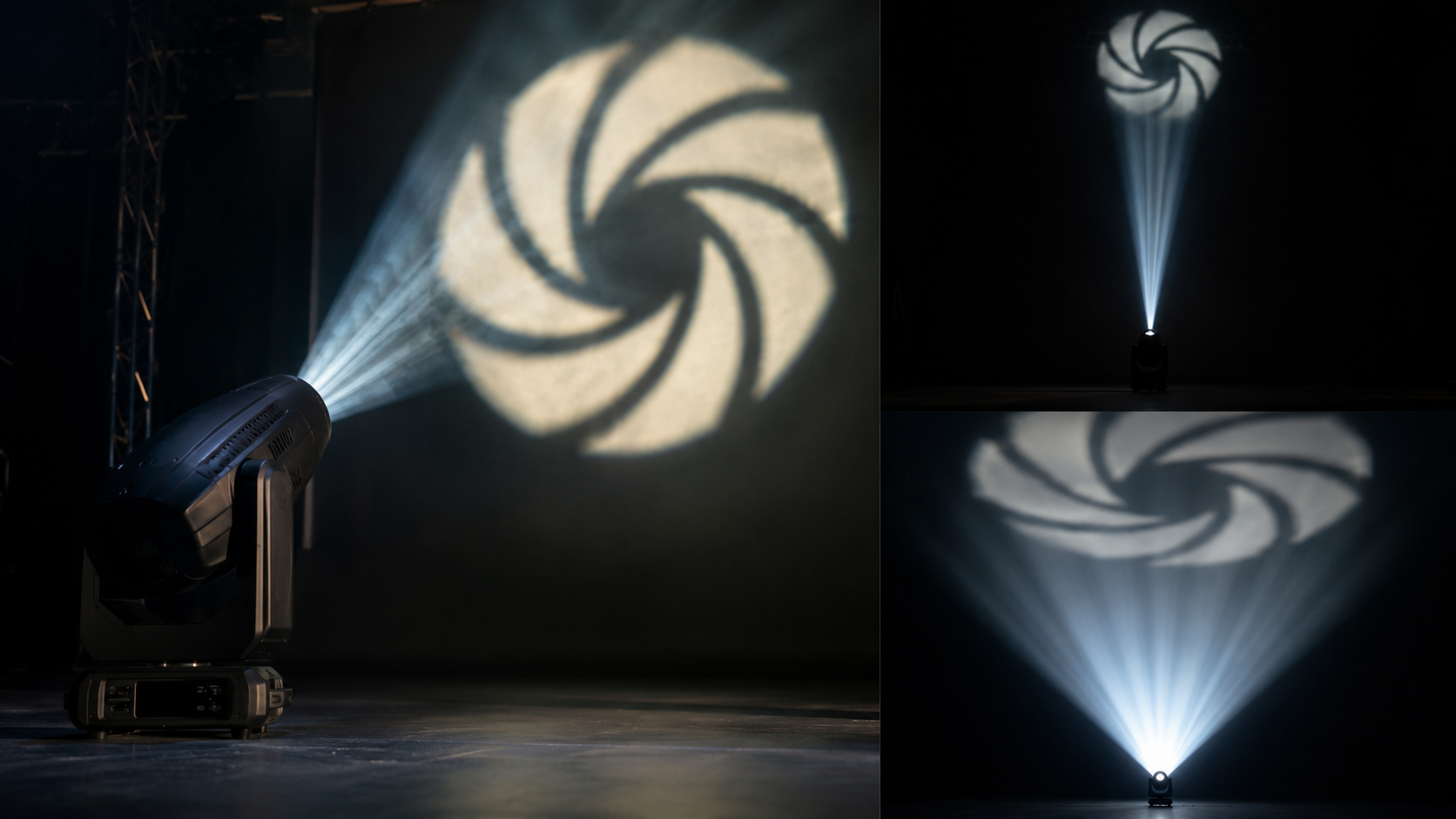
While beam angle adjustment determines the size and coverage of the light output, focus adjustment controls the sharpness of projected images and patterns. Together, these two functions allow lighting designers to achieve accurate projection effects across different distances and environments.
The continuous improvement of optical systems has made modern lighting fixtures capable of producing clearer images, smoother transitions, and more professional visual effects.
Focus Adjustment: Controlling Image Sharpness
Focus adjustment controls whether the projected light effect appears sharp or soft.
In traditional lighting systems, adjusting focus often required manual operation. However, modern intelligent lighting fixtures use motorized focus systems that can be controlled remotely through DMX or network protocols.
This allows operators to adjust focus instantly during a performance without interrupting the show.
Sharp Focus Applications
A precise focus setting is important when lighting fixtures are used for detailed projection.
Sharp focus is commonly required for:
Gobo pattern projection
Logo display
Stage decoration
Architectural projection
Themed event effects
For example, during a product launch event, a company logo or customized graphic pattern may need to be projected clearly onto a large screen or stage surface.
A precise focus system ensures that the projected image remains clean and professional.
Soft Focus Applications
Not every lighting effect requires sharp edges.
In many creative productions, a softer focus is preferred because it creates smoother and more artistic visual effects.
Soft focus can produce:
Gentle light diffusion
Dream-like atmosphere
Smooth background illumination
Artistic stage environments
This effect is often used in:
Fashion shows
Wedding productions
Contemporary performances
Ambient installations
By adjusting focus levels, designers can transform the same fixture from a precise projection tool into a soft atmospheric lighting source.
Zoom Adjustment: Adapting to Different Spaces
Zoom adjustment provides flexibility by changing the size of the projected beam.
Different venues have different lighting requirements. A small indoor stage and a large outdoor performance area require completely different beam coverage.
Motorized zoom systems allow lighting operators to adapt quickly without physically repositioning fixtures.
Small Venue Applications
In smaller spaces such as:
Clubs
Bars
Small theaters
Event rooms
a wider zoom angle is often preferred because it can cover more of the performance area with fewer fixtures.
Large Venue Applications
For:
Stadium concerts
Outdoor festivals
Large entertainment events
a narrow zoom setting provides stronger projection distance and more concentrated visual effects.
Powerful beams can travel across large spaces, creating dramatic aerial effects when combined with haze systems.
The Role of Optical Flexibility
The combination of focus and zoom technologies allows one lighting fixture to perform multiple functions.
A fixture can quickly switch between:
Precise pattern projection
Narrow beam effects
Wide-area illumination
Soft atmospheric lighting
This flexibility has become an important trend in professional lighting design.
5. Movement and Position Adjustment Mode: Creating Dynamic Lighting Scenes
Movement control is one of the defining features of intelligent stage lighting equipment.
Unlike traditional fixed fixtures, moving head lights can change their direction automatically through motorized systems, creating dynamic visual effects across the entire performance space.
The combination of movement control and programmable lighting scenes has greatly expanded creative possibilities for designers.
Pan and Tilt Control Technology
Modern moving head fixtures usually use two primary movement systems:
Pan Movement
Pan controls horizontal rotation.
Typical movement ranges include:
540-degree rotation
630-degree rotation
Continuous rotation systems in advanced fixtures
This allows lights to cover a wide horizontal area.
Tilt Movement
Tilt controls vertical movement.
Most professional fixtures provide approximately:
270-degree vertical movement
Together, Pan and Tilt systems allow lighting fixtures to accurately position beams anywhere within the performance area.
Dynamic Effects Created Through Movement Control
Concert Applications
In concerts, movement control allows lighting fixtures to:
Follow performers
Synchronize with music
Create sweeping beam effects
Build visual highlights
During high-energy performances, synchronized movement from multiple fixtures can create powerful stage moments.
Festival Applications
Large outdoor festivals often use dozens or hundreds of intelligent lighting fixtures.
Programmed movement patterns can create:
Large-scale aerial effects
Moving light waves
Dynamic stage backgrounds
These effects help transform open spaces into immersive environments.
Entertainment Venue Applications
Nightclubs and entertainment venues rely heavily on movement effects.
Fast movement patterns combined with color changes and brightness control create energetic atmospheres that match different music styles.
Broadcast and Studio Applications
For television and live broadcasting, movement accuracy becomes especially important.
Lighting fixtures must provide:
Smooth operation
Quiet motors
Accurate positioning
Repeatable movement
This ensures professional visual quality while avoiding unwanted noise during recording.
Intelligent Positioning and Automation Technology
Modern lighting systems increasingly integrate intelligent positioning technologies.
Important improvements include:
Faster response speed
More accurate positioning
Automatic calibration
Improved motor reliability
These technologies are especially valuable in large productions where hundreds of lighting parameters must operate simultaneously.
For example, during a major concert tour, lighting systems may contain hundreds of programmed scenes. Accurate movement control ensures every fixture performs the correct action at the correct moment.
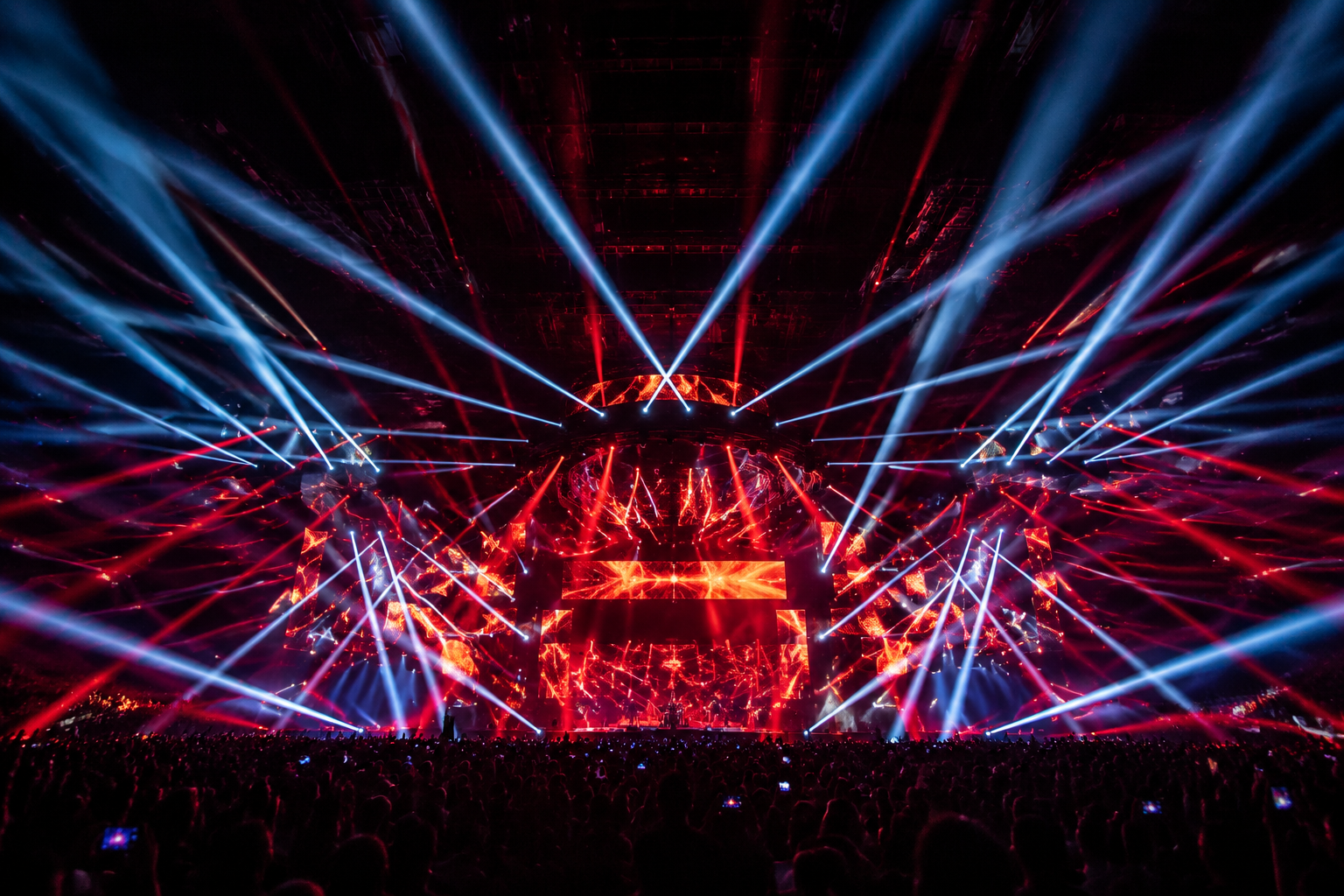
How Five Adjustment Modes Work Together in Modern Stage Productions
Although each adjustment mode has a specific function, professional lighting design depends on combining them together.
Brightness, color, beam angle, focus, and movement create a complete lighting control system.
Concert Production Example
During an energetic music performance:
Brightness increases to create impact
Colors change according to music rhythm
Beam angles become narrower for dramatic effects
Focus adjusts for clear projection
Moving heads create synchronized motion
The combination creates a powerful visual experience.
Theater Production Example
For dramatic scenes:
Lower brightness creates emotional atmosphere
Warm colors enhance storytelling
Soft focus provides artistic effects
Slow movement supports scene transitions
Lighting becomes part of the storytelling process.
Outdoor Event Example
Large outdoor productions require:
High-output lighting
Flexible beam control
Reliable movement systems
Weather-resistant performance
Advanced control functions allow lighting designers to adapt to large spaces and changing conditions.
Future Trends of Lighting Control Technology
As digital technology continues to develop, lighting control systems are expected to become more intelligent and automated.
Several major trends are emerging.
1. AI-Assisted Lighting Control
Artificial intelligence is beginning to influence lighting design.
Future systems may analyze:
Music rhythm
Audience response
Performance content
and automatically generate suitable lighting scenes.
AI-assisted control could reduce programming time and help designers create more dynamic experiences.
2. Wireless and Network-Based Control
Wireless DMX and network-based protocols are becoming increasingly common.
Benefits include:
Easier installation
Reduced cable requirements
Greater flexibility
Improved system integration
Large venues can manage complex lighting networks more efficiently.
3. More Intelligent LED Technology
LED technology continues to improve in:
Brightness efficiency
Color accuracy
Energy saving
Lifespan
Future fixtures will provide stronger output while consuming less energy.
4. Integration With Immersive Experiences
Modern entertainment increasingly combines:
Lighting
Video
Sound
Interactive technology
Lighting control systems will play a larger role in creating immersive environments for audiences.
Conclusion: Precise Control Creates Unlimited Lighting Possibilities
The five adjustment modes of lighting control fixtures—brightness adjustment, color adjustment, beam angle adjustment, focus and zoom adjustment, and movement adjustment—represent the foundation of modern intelligent stage lighting.
These technologies allow lighting professionals to transform simple illumination into creative visual experiences.
From concerts and theaters to festivals, exhibitions, and architectural projects, advanced lighting control continues to redefine how audiences experience performances.
As lighting technology develops toward greater intelligence, flexibility, and automation, precise control systems will remain a key factor in the future evolution of stage and entertainment lighting.



Blue Sea Lighting is an enterprise with rich experience in the integration of industry and trade in stage lighting and stage special effects related equipment. Its products include moving head lights, par lights, wall washer lights, logo gobo projector lights, power distributor, stage effects such as electronic fireworks machines, snow machines, smoke bubble machines, and related accessories such as light clamps.
Quick Links
For more questions subscribe to our email