Introduction
Behind every seamless stage show is a team of lighting technicians working against time and complexity. Whether it’s a concert, corporate event, or touring production, efficient lighting rigging is key to staying on schedule, ensuring safety, and delivering a flawless visual experience. This guide offers practical strategies lighting techs can use to streamline setup—covering planning, gear choices, and workflow techniques that minimize delays from truck to truss.
1. Pre-Planning: The Foundation of Fast Setup
Speed starts long before the first clamp is tightened. A detailed lighting plot, fixture list, patch sheet, and truss layout save hours on-site. Use software like Vectorworks or Capture to pre-visualize the rig and identify potential cable bottlenecks or weight distribution problems.
Color-coded gaffer tape, pre-labeled DMX lines, and pre-addressed fixtures reduce errors and testing time. When possible, create plug-and-play truss segments with pre-mounted and pre-addressed fixtures for quick deployment.
2. Use Lightweight and Modular Fixtures
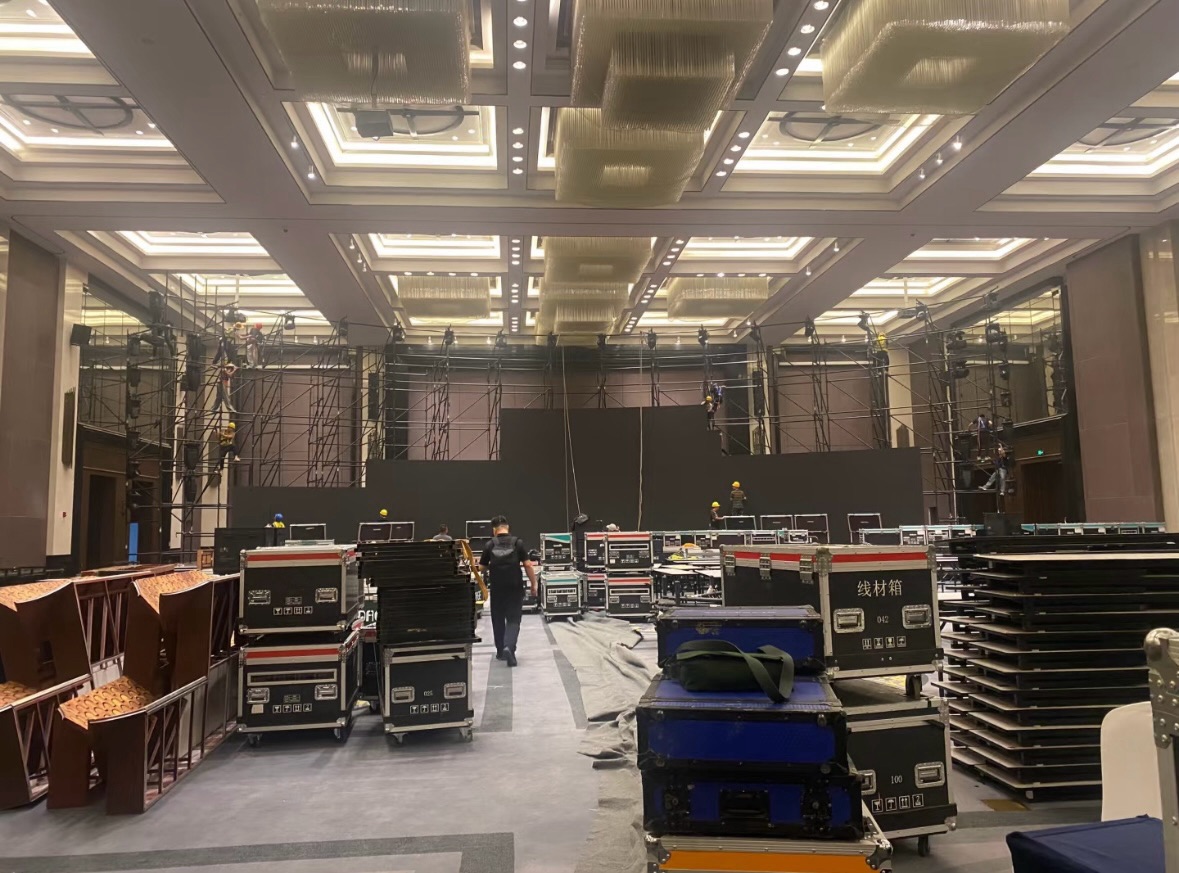
Choosing compact, multi-functional fixtures can reduce rigging time, lower transportation weight, and simplify power distribution. For example, the 200W Beam Spot Wash 3in1 LED Moving Head Light offers three functions in a single unit and is equipped with quick-lock omega brackets for fast mounting.
Fixtures that support DMX auto-addressing, wireless DMX, or power linking eliminate time-consuming configuration steps. Wireless and battery-powered lights can be pre-positioned without relying on power runs, especially for accent or architectural lighting.
3. Optimize Cable Management
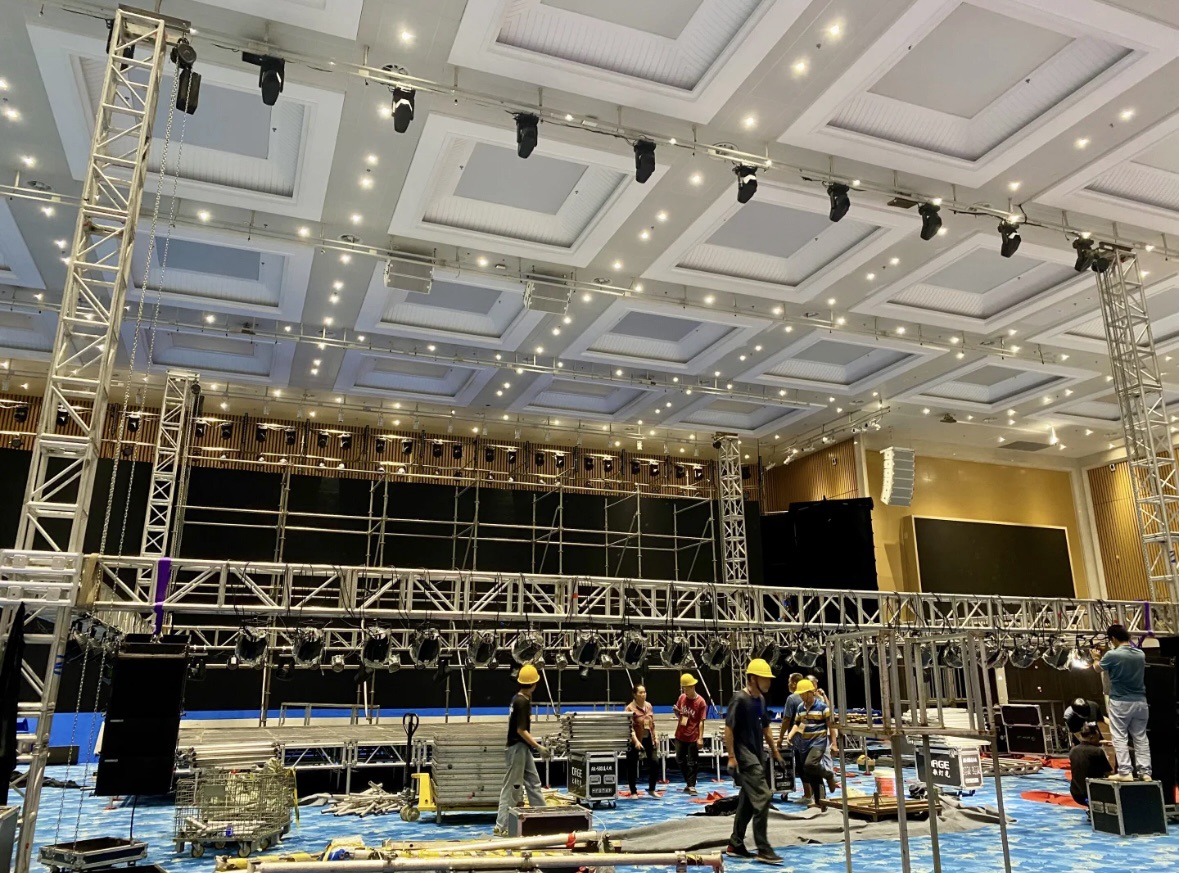
One of the most time-consuming tasks in rigging is cable routing. Organize signal and power lines with reusable cable snakes, velcro straps, and color coding. Avoid tangled coils by using cable bins with labeled spools and storing by zone.
When possible, consolidate power using powerCON linking or power distribution racks with clearly marked channels. Create pre-tested DMX universes in advance and label input/output lines with both universe and fixture address.
4. Crew Communication and Division of Labor
Efficiency thrives on teamwork. Assign technicians to specific zones or fixture types to reduce overlap. Ensure one crew member leads truss assembly, another manages cable infrastructure, and another focuses on fixture testing and focus.
Use simple headset comms or group walkie channels to coordinate during setup and testing. Having a "setup captain" responsible for checking cable continuity, address patches, and fixture orientation can eliminate rework.
5. Pre-Show Checklists and Time Trials
Always finish rigging with a structured checklist: check power, DMX signal, pan/tilt range, zoom focus, dimmer curves, and strobe function. Use rehearsals as time trials for future setups—record how long it takes to build, patch, and focus.
Review these logs after each show and identify areas for improvement: fixture count, cabling methods, communication gaps, or software updates. Over time, this leads to faster setup standards and safer execution.
Conclusion
Fast rigging is a mix of preparation, teamwork, and smart gear selection. From pre-addressed fixtures to power-efficient layouts and optimized crew roles, every detail contributes to a smoother setup. Whether you are loading into a theater or open-air stadium, applying these techniques can reduce errors, speed up deployment, and elevate your professionalism.
Stage shows start long before the lights go on—they begin with smart rigging.