Introduction
When planning a show, lighting design is not just about brightness—it's about texture, control, effect, and audience emotion. Among the most debated choices in recent years are LED lighting and laser lighting. Both technologies bring unique benefits to the stage, and understanding the differences is essential for choosing the right solution.
This article compares LED and laser technologies across performance, control, power consumption, and safety. For each, we provide real-world use cases based on actual fixtures from Stage Light Gear.
1. Technology Overview
LED lighting uses light-emitting diodes to deliver a broad color spectrum through additive color mixing (RGB, RGBW, or RGBWA+UV). It is known for flexibility, long life, and low energy consumption.
Laser lighting produces tightly focused coherent light, capable of creating sharp animations, beams, and graphic shapes in mid-air. It is typically used for high-intensity visual effects in clubs, raves, or EDM festivals.
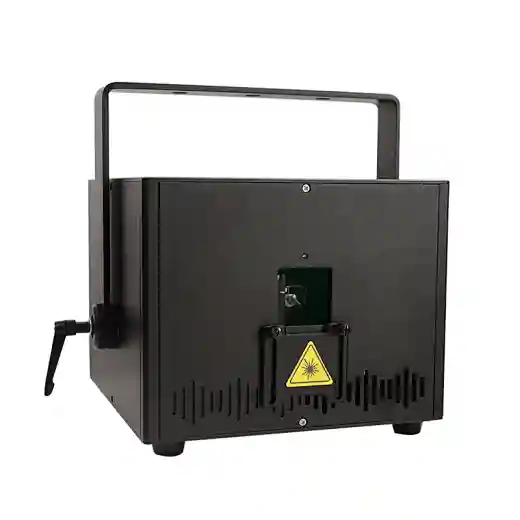
The Event DJ Disco Club Bar 10W RGB 3in1 Full Color Animation Laser Light uses three independent laser sources (R3000mW / G3000mW / B4000mW) to generate high-precision RGB laser projections, controlled via DMX512, ILDA, SD card, or music mode.
2. Brightness and Effect
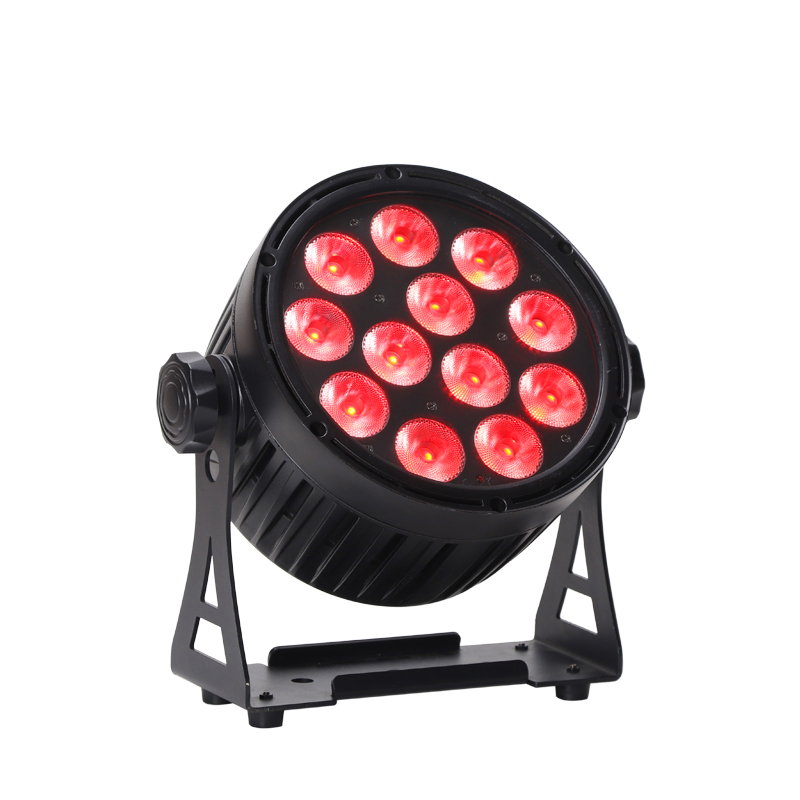
The 12x18W RGBWA+UV LED Par Light creates deep color washes over walls, ceilings, or performers. It is ideal for general coverage, ambient lighting, and color moods.
The 10W RGB 3in1 Laser Light, on the other hand, delivers piercing beams that remain focused across long distances, creating dramatic aerial effects or logos in smoke-filled air. It is especially effective in clubs and immersive shows.
LEDs create coverage; lasers cut through it.
3. Control and Customization
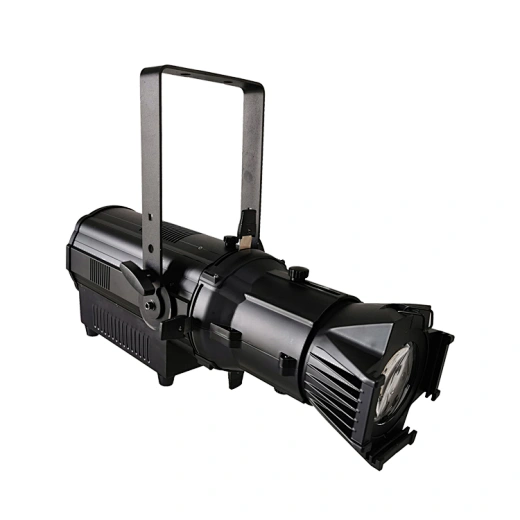
LEDs support standard DMX channels, pixel mapping, and pre-programmed chases. The LED 300W Profile Spot Light includes zoom, gobo projection, and edge control—perfect for theater and corporate shows requiring precision.
Laser fixtures require more setup. The 10W RGB laser unit supports ILDA and DMX512, allowing intricate animations. However, they may require more detailed alignment and safety zoning.
4. Power and Efficiency
LED fixtures are extremely efficient per lumen. The 18x12W PAR light operates under low voltage and can daisy-chain power lines.
Laser lights, despite lower overall wattage, can consume more energy in cooling systems. The 10W RGB laser draws 270W, which is reasonable given its visual output, but not as efficient as equivalent LED brightness spread across a wide field.
5. Safety and Venue Restrictions
Lasers require careful placement, zoning, and adherence to safety codes. The 10W RGB laser includes fan cooling, safety keys, and analog modulation, but still needs distance from the audience.
LEDs pose minimal hazard, making them suitable for all venues—including theaters, small indoor halls, and family-friendly settings.
Conclusion
Use LED lighting if you want:
Use laser lighting if you want:
High-precision beam effects
Logo projections and wave animations
Long-distance light focus
Dramatic impact in haze-rich environments
For many productions, combining both is ideal. Stage Light Gear’s lineup—including the 300W Profile Spot, RGBWA+UV LED Par, and 10W RGB Laser—offers professionals the flexibility to blend ambient and aerial effects seamlessly.