Introduction
In modern stage productions, lighting is central to visual storytelling. However, with increasing demands for more complex designs, moving heads, and color versatility, lighting systems also contribute significantly to overall power consumption. Optimizing lighting load is now a critical task for lighting designers, technical directors, and touring crews who aim to balance creative ambition with sustainability and operational efficiency.
This article explores practical ways to reduce lighting system power demands without compromising impact or flexibility. Through real-world strategies and efficient fixture selections from Stage Light Gear, we demonstrate how to build intelligent, energy-conscious lighting environments.
1. Use Multi-Function Fixtures to Reduce Quantity
One of the most effective strategies to reduce lighting load is using fixtures that perform multiple functions. Instead of separate lights for beam, spot, and wash effects, a single hybrid fixture can perform all three, thereby reducing total fixture count, cabling, and electrical load.
For example, the LED Mini 150W Beam Spot Wash 3in1 Moving Head Light from Stage Light Gear integrates three primary functions in a compact body. Despite its low 150-watt power rating, it delivers impressive output, crisp optics, and color versatility suitable for small to mid-sized venues or touring stages.
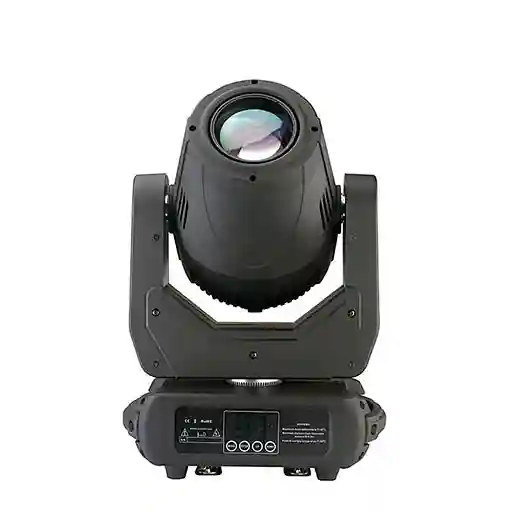
The reduction in the number of units also simplifies rigging, lowers transportation weight, and decreases heat output, leading to additional savings in cooling systems and setup time.
2. Replace Traditional PARs with Advanced LED Models
Conventional halogen-based PAR lights consume high amounts of energy and generate significant heat. They also require color filters or gel frames to produce different tones, making them inefficient in both power use and flexibility.
Modern LED PARs solve these issues. The 18x18W RGBWA+UV LED Par Light offers full-color mixing with red, green, blue, white, amber, and ultraviolet diodes, delivering saturated color washes and subtle fades with high efficiency. These fixtures eliminate the need for separate colored gels, reduce fixture count, and enable more control through DMX or onboard programming.
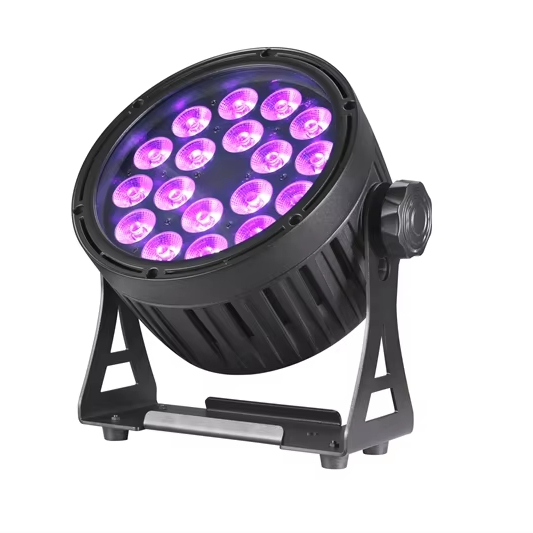
This fixture is well-suited for use as side wash, background fill, cyc lighting, or architectural accenting. Its power efficiency, combined with versatility, makes it an optimal replacement for outdated lighting setups.
3. Eliminate Power Distribution Overhead with Wireless Fixtures
Another important but often overlooked aspect of lighting load is the power consumption and logistical strain created by cables, splitters, dimmer racks, and distribution boxes. Wireless fixtures with built-in batteries eliminate many of these challenges, especially in mobile, remote, or complex venues.
The Wireless DMX 4x20W RGBW LED Battery Par Lightis a practical solution. This unit provides RGBW color mixing, up to 8 hours of battery life, and full wireless DMX control. It is ideal for use in architectural uplighting, edge-of-stage accenting, mobile installations, and fast-turnaround events.
_6ASlHS.jpg)
Using wireless battery-powered units eliminates the need for additional AC connections and control cable runs, which also reduces tripping hazards and setup time. For venues with limited power access or events with a large footprint, these fixtures offer operational flexibility while contributing to energy efficiency.
4. Reduce Heat Load to Lower Secondary Energy Costs
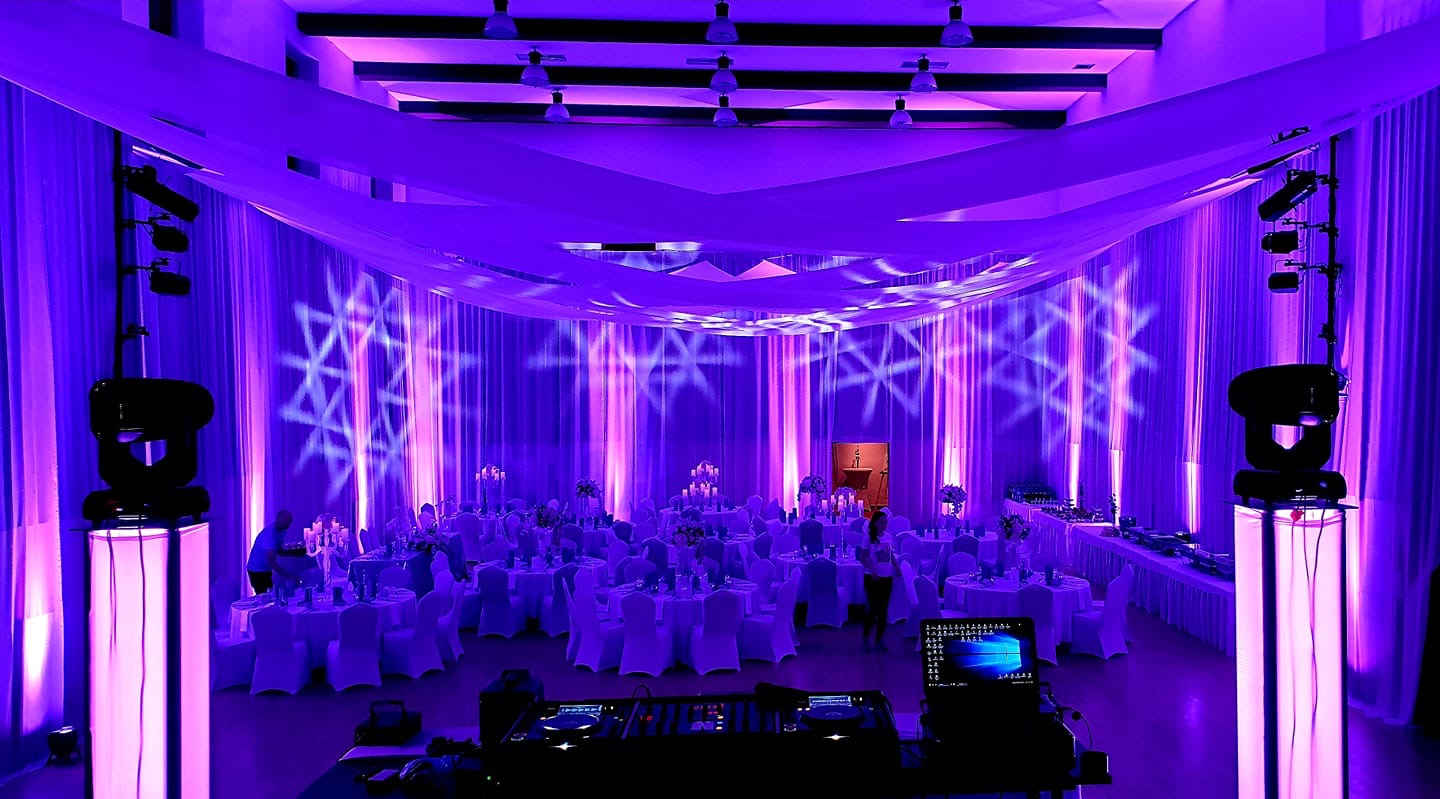
Traditional incandescent or discharge fixtures emit considerable heat. This not only increases room temperature but forces HVAC systems to work harder to maintain comfortable environments. Over time, this can lead to additional energy expenses unrelated directly to lighting but caused by lighting’s inefficiency.
LED fixtures, especially those built with smart thermal management, run significantly cooler. Lower heat emissions contribute to longer fixture lifespans, safer environments for performers, and reduced demand on venue air conditioning systems. When scaled to full productions, the impact on energy savings is significant.
When planning energy-efficient productions, designers should consider not just the power rating of each fixture, but also its thermal output and environmental impact.
5. Touring Considerations: Reduce Load, Save Fuel
Energy efficiency extends beyond electricity. For touring productions, reducing lighting system load means fewer cases, lighter trucks, faster builds, and lower fuel costs. Weight reductions in lighting gear also lessen mechanical strain on trussing, motors, and rigging systems.
All three featured products—Mini 150W 3in1 Moving Head, 18x18W RGBWA+UV Par, and Wireless DMX Battery Par—are compact, low-maintenance, and reliable, making them excellent choices for touring professionals seeking both performance and efficiency.
By minimizing fixture quantity and maximizing functionality, these solutions reduce the total logistical footprint of a lighting system while maintaining high-impact visual design.
Conclusion
Energy efficiency in stage lighting is no longer a bonus—it is a requirement. From environmental responsibility to cost management, every watt saved matters. Fortunately, through the use of advanced LED technology, hybrid fixture design, and wireless infrastructure, it is possible to create lighting systems that are efficient, portable, and visually stunning.
Stage Light Gear’s lineup of modern, power-conscious fixtures—including the LED Mini 150W Beam Spot Wash 3in1 Moving Head, the 18x18W RGBWA+UV Par Light, and the Wireless DMX 4x20W Battery Par—demonstrate that energy efficiency and creative flexibility can go hand in hand.
An energy-efficient lighting rig is not just a technical improvement. It is a strategic and creative asset.



Blue Sea Lighting is an enterprise with rich experience in the integration of industry and trade in stage lighting and stage special effects related equipment. Its products include moving head lights, par lights, wall washer lights, logo gobo projector lights, power distributor, stage effects such as electronic fireworks machines, snow machines, smoke bubble machines, and related accessories such as light clamps.
Quick Links
For more questions subscribe to our email