Introduction
In the world of professional lighting, not all beams are created equal. While LED lights are widely appreciated for their energy efficiency and long lifespan, what truly defines their performance on stage is optics—the science of how light is shaped, projected, and focused.
Whether you're illuminating a theatrical performance, architectural landmark, or immersive event, understanding the relationship between beam angles, lens types, and optical systems is crucial for achieving your desired visual result. This article dives into the technical principles behind LED optics and illustrates how fixtures like the LED 300W Profile Spot Light empower designers with precise control.
1. What Is Beam Angle and Why It Matters
The beam angle refers to the width of light emitted by a fixture at which the intensity drops to 50% of the center value. Narrow beam angles (10°–25°) create concentrated, high-intensity spots, while wide beam angles (40°–90°) produce soft, ambient coverage.
Choosing the right beam angle influences:
For example, a 15° beam is ideal for isolating a performer in a pool of light, while a 60° beam is better suited for washing a backdrop evenly.
2. Types of Lenses Used in LED Fixtures
Lenses play a critical role in defining how LED light is manipulated. Common lens types include:
Fresnel lenses: Provide a soft edge and are used in wash lighting
Plano-convex (PC) lenses: Offer a tighter focus, good for highlighting subjects
Zoom lenses: Allow adjustable beam angles for versatile coverage
Profile optics: Include shutters and GOBO slots for edge control and pattern projection
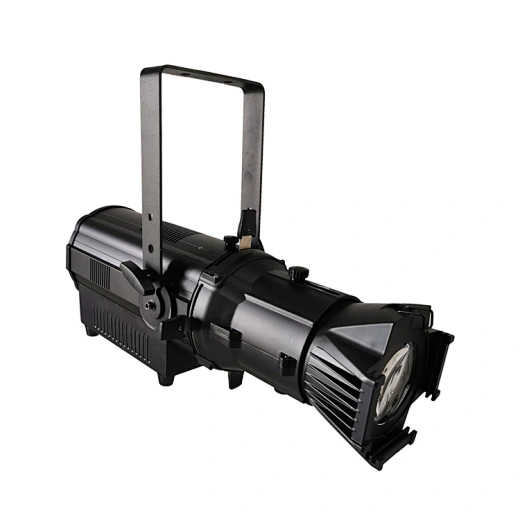
The LED 300W Profile Spot Light features a high-performance profile lens system with zoom capability, making it ideal for both tight-focus spot work and ambient effects. This fixture supports hard-edge projection and soft beam transitions, essential for flexible lighting design.
3. Understanding Field Angle vs Beam Angle
While often used interchangeably, beam angle and field angle are not the same. The beam angle is the central, usable cone of light (50% intensity), while the field angle extends to 10% of the center intensity—representing spill light or softer edges.
For precision lighting, especially in theater or broadcast, a narrow beam angle with a controlled field angle prevents light leakage and maintains tight focus. This is where the LED 300W Profile Spot Light excels, offering clean cutoffs and minimal haloing, especially when fitted with framing shutters.
4. Optical Accessories and Projection Control
Advanced fixtures include accessories that modify optics further:
GOBOs: Metal or glass templates inserted in the light path to project patterns
Iris diaphragms: Control beam diameter without changing focus
Framing shutters: Allow manual beam shaping (squares, triangles, etc.)
Color gels or wheels: Add spectral flexibility, especially with white-source LEDs
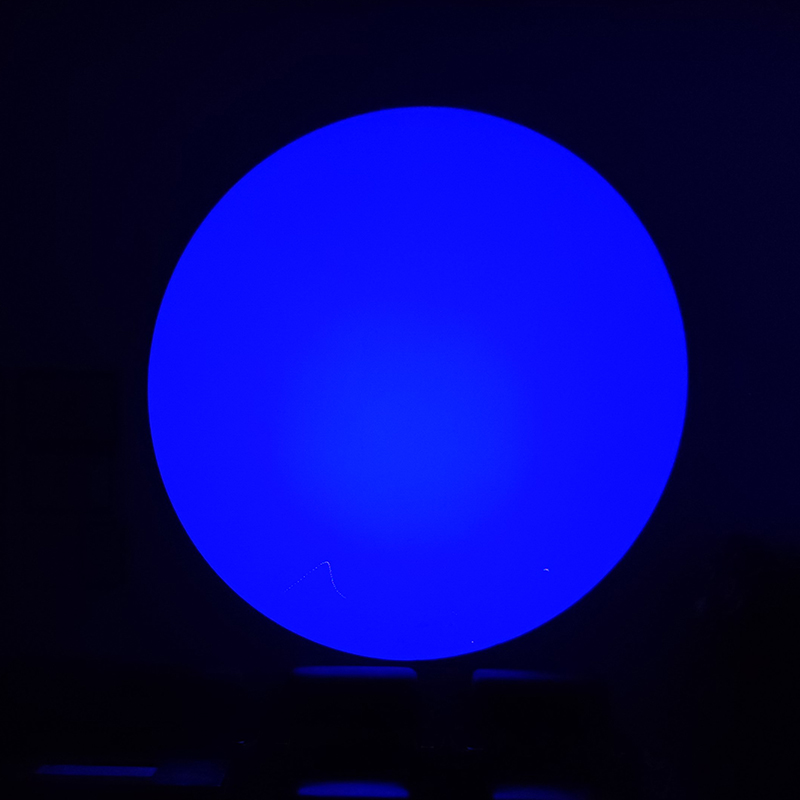
The LED 300W Profile Spot Light supports GOBOs and shutters, enabling designers to craft theatrical moments, text projection, or textured lighting scenes with artistic clarity.
5. Real-World Application: Matching Beam Type to Venue Size
Different venues require different optics:
Concert halls: Require long-throw beams with narrow angles
Corporate events: Benefit from soft-edge washes and medium-angle fills
Theaters: Use sharp profiles for actor isolation and GOBO storytelling
Outdoor projections: Need high-lumen output and lens clarity to overcome ambient light
By using the LED 300W Profile Spot Light, lighting designers can adapt one fixture to multiple roles—making it an efficient, scalable tool for mobile and permanent installations alike.
Conclusion
Behind every impactful beam of LED light is a carefully engineered optical system. Understanding beam angles, lens types, and field behavior allows lighting professionals to go beyond illumination—and into expressive storytelling, branding, and emotional design.
With its advanced profile optics, flexible beam shaping, and precise projection control, the LED 300W Profile Spot Light exemplifies the power of optics in LED stage lighting. Whether used in a theater, broadcast studio, or high-end corporate event, this fixture proves that lighting is just as much about science as it is about creativity.