
Introduction: Understanding the Power of Beam Moving Head Lights
In modern entertainment, lighting is no longer only a tool for illumination. It has become an important part of stage design, atmosphere creation, and visual storytelling. From large-scale concerts and music festivals to theaters, clubs, exhibitions, and architectural events, professional lighting equipment plays a key role in creating unforgettable experiences.
Among various professional stage lighting fixtures, the beam moving head light has become one of the most popular and powerful lighting solutions. With its extremely narrow beam angle, high-intensity output, fast movement, and dynamic effects, it can create sharp light columns that cut through smoke and haze, producing impressive three-dimensional visual effects.
Many people may have seen powerful beams moving across a concert stage but may not know what equipment creates these effects. In most cases, these spectacular lighting effects come from professional beam moving head lights.
This article will explain what a beam moving head light is, how it works, its internal structure, major features, applications, and how to select the right beam moving head light for different projects.
What Is a Beam Moving Head Light?
A beam moving head light is a type of intelligent stage lighting fixture designed to produce a concentrated, high-brightness beam of light that can move freely in different directions.
Unlike traditional fixed lighting fixtures, a moving head light has a motorized head system that allows the light source to rotate horizontally and vertically. This means one fixture can cover a large stage area and create multiple lighting effects without needing many fixed lamps.
The word “beam” refers to the extremely narrow light output. Most beam moving head lights have a beam angle between approximately 0.5° and 5°, allowing them to create a sharp and concentrated light beam.
When combined with haze or fog effects, the beam becomes visible in the air, creating dramatic light tunnels, aerial patterns, and dynamic stage movements.
A professional beam moving head light usually includes:
High-power discharge lamp or LED light source
Precision optical lens system
Motorized pan and tilt movement
Color wheel system
Gobo projection system
Prism effects
Frost effects
Electronic dimming system
DMX512 control system
Modern beam moving head lights are widely used by professional lighting designers because they provide powerful output and flexible creative possibilities.
How Does a Beam Moving Head Light Work?
The working principle of a beam moving head light can be divided into several key processes:
1. Light Source Generates High-Intensity Light
The first step begins with the light source.
Traditional beam moving head lights often use high-power discharge lamps, while modern models increasingly use advanced LED modules.
The light source determines:
Brightness
Color quality
Energy consumption
Lifespan
Heat generation
High-power LED technology has become popular because it provides longer lifespan, lower maintenance costs, and more stable performance.
2. Optical System Creates a Narrow Beam
After the light source produces light, the optical system focuses it into a concentrated beam.
The optical components usually include:
Reflectors
Condenser lenses
Zoom lenses
Front lenses
The purpose of the optical system is to collect as much light energy as possible and create a powerful beam with minimal light loss.
The smaller the beam angle, the stronger and sharper the beam effect becomes.
For example:
0.5°–2° beam angle: Extremely sharp aerial beam effects
3°–5° beam angle: Strong stage beam effects
Wider angles: More suitable for coverage lighting
The Role of Pan and Tilt Movement
One of the biggest advantages of moving head lights is their ability to move.
The fixture contains precision motors that control:
Pan Movement
Pan controls horizontal rotation.
Most professional moving head lights provide:
540° rotation
630° rotation options
This allows the fixture to project beams across a large horizontal area.
Tilt Movement
Tilt controls vertical movement.
Typical tilt ranges include:
270°
180°
Together, pan and tilt systems allow lighting designers to create complex moving effects.
The fixture can quickly change direction, follow performers, create sweeping effects, or synchronize with music.
Main Features of Beam Moving Head Lights
1. Powerful Beam Output
The biggest advantage of a beam moving head light is its brightness.
A high-quality beam fixture can produce a strong light column visible from long distances, making it ideal for:
Large concerts
Outdoor festivals
Stadium events
Night performances
2. Advanced Color Effects
Professional beam moving head lights usually include color systems that allow designers to create different atmospheres.
Common features include:
Color wheels
CMY color mixing
CTO color temperature adjustment
RGB LED effects
Different colors can represent different moods and performance styles.
3. Gobo Projection Effects
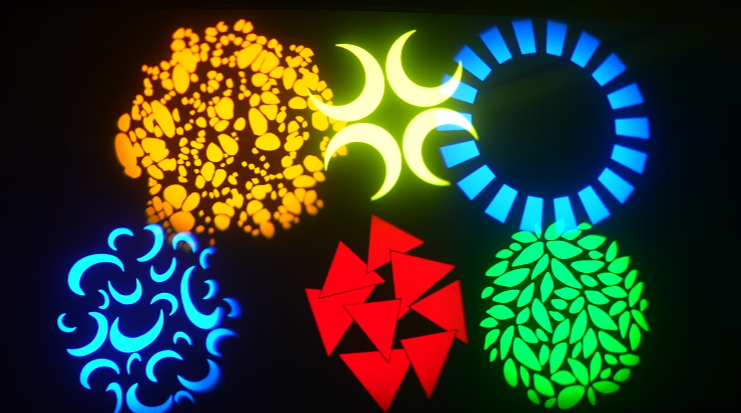
A gobo is a patterned filter placed inside the lighting fixture.
It allows the beam moving head light to project:
Logos
Shapes
Patterns
Decorative effects
Rotating gobos can create dynamic moving patterns on stage surfaces.
4. Prism Effects
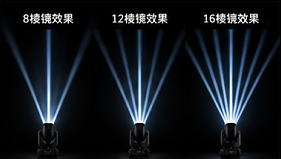
Prism systems split one beam into multiple beams.
Common prism effects include:
8-facet prism
12-facet prism
16-facet prism
These effects create multi-beam visual experiences and increase the creativity of lighting design.
Beam Moving Head Light Control Methods
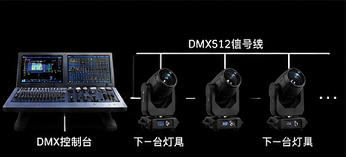
Modern beam moving head lights support multiple control methods.
DMX512 Control
DMX512 is the most common professional lighting control protocol.
Through DMX control:
Designers can adjust brightness
Change colors
Control movement
Activate effects
Synchronize multiple fixtures
Master-Slave Mode
In master-slave mode, multiple fixtures can work together without a lighting console.
One fixture acts as the master unit and controls other connected fixtures.
This is useful for:
Small events
Mobile DJs
Temporary installations
Automatic Mode
Automatic programs allow the fixture to run built-in lighting movements.
Users can select:
Beam movements
Color changes
Effect sequences
Sound Activated Mode
Sound mode allows the lighting fixture to react to music rhythm.
It is commonly used in:
Clubs
Parties
Entertainment venues
Applications of Beam Moving Head Lights
Beam moving head lights are used in many professional environments.
Concerts and Music Festivals
Large concerts require powerful lighting effects to create excitement and visual impact.
Beam moving head lights can:
Highlight performers
Create dynamic stage scenes
Enhance music atmosphere
Nightclubs and Entertainment Venues
Clubs use beam moving head lights to create energetic environments.
Fast movements and colorful beams help create immersive experiences.
Theater and Live Shows
Although theaters traditionally focus on precise illumination, modern productions increasingly use moving beams for dramatic effects.
Corporate Events and Exhibitions
Beam moving head lights can improve brand presentations by creating professional visual environments.
How to Choose the Right Beam Moving Head Light?
When selecting a beam moving head light, consider the following factors:
1. Output Power
Higher power provides stronger beams.
Choose according to:
Venue size
Installation distance
Application requirements
2. Beam Angle
A narrow beam creates stronger aerial effects.
Choose:
Small beam angle for concerts
Wider beam angle for multifunction applications
3. Protection Rating
For outdoor applications, waterproof protection is important.
Professional outdoor fixtures may include:
IP65 protection
Weather-resistant housing
Advanced cooling systems
4. Control Compatibility
Ensure compatibility with:
DMX512
RDM
Art-Net
Wireless DMX systems
Why Professional Lighting Brands Matter
Choosing a reliable lighting manufacturer is important because professional stage lighting equipment must operate under demanding conditions.
Quality factors include:
Stable optical performance
Reliable electronic components
Accurate movement systems
Efficient heat management
Long service life
Professional lighting suppliers such as Blue Sea Lighting provide advanced stage lighting solutions for global entertainment markets.
Future Development of Beam Moving Head Light Technology
![Future Stage Lighting Technology]
The future of beam moving head lights will continue to focus on:
Higher brightness
Lower energy consumption
Intelligent control
Wireless operation
Better optical efficiency
Smart networking
With the development of LED technology and digital control systems, moving head lights will become more intelligent and versatile.
Conclusion: Beam Moving Head Lights Create Unlimited Lighting Possibilities
A beam moving head light is more than just a lighting fixture. It is a creative tool that transforms spaces, enhances performances, and creates unforgettable visual experiences.
By combining powerful light sources, precision optics, motorized movement, and intelligent control systems, beam moving head lights have become an essential part of modern stage lighting.
Whether for concerts, festivals, theaters, clubs, or professional events, understanding how beam moving head lights work helps lighting designers and users choose the right solution and maximize creative possibilities.
As entertainment technology continues to evolve, beam moving head lights will remain one of the most important technologies shaping the future of visual performance.



Blue Sea Lighting is an enterprise with rich experience in the integration of industry and trade in stage lighting and stage special effects related equipment. Its products include moving head lights, par lights, wall washer lights, logo gobo projector lights, power distributor, stage effects such as electronic fireworks machines, snow machines, smoke bubble machines, and related accessories such as light clamps.
Quick Links
For more questions subscribe to our email