provide high-definition gobo projection for professional stage productions. Whether you are a beginner or an experienced lighting designer, this guide offers practical and easy-to-understand knowledge.
Stage lighting has evolved dramatically over the past few decades. Modern productions are no longer satisfied with simple illumination. Today’s audiences expect immersive visual experiences filled with dynamic colors, movement, patterns, and atmospheric effects. Among the many tools used by lighting designers, the gobo light remains one of the most important and versatile technologies in professional entertainment lighting.
Whether you are attending a concert, theatrical production, corporate event, wedding ceremony, or nightclub performance, chances are you have already seen gobo effects in action. Logos projected onto walls, patterned lighting on stages, textured effects simulating rain or fire, and branded images at events are all possible because of gobos.
This guide explains everything stage professionals need to know about gobo lighting, including its definition, history, working principles, types, applications, advantages, and maintenance.
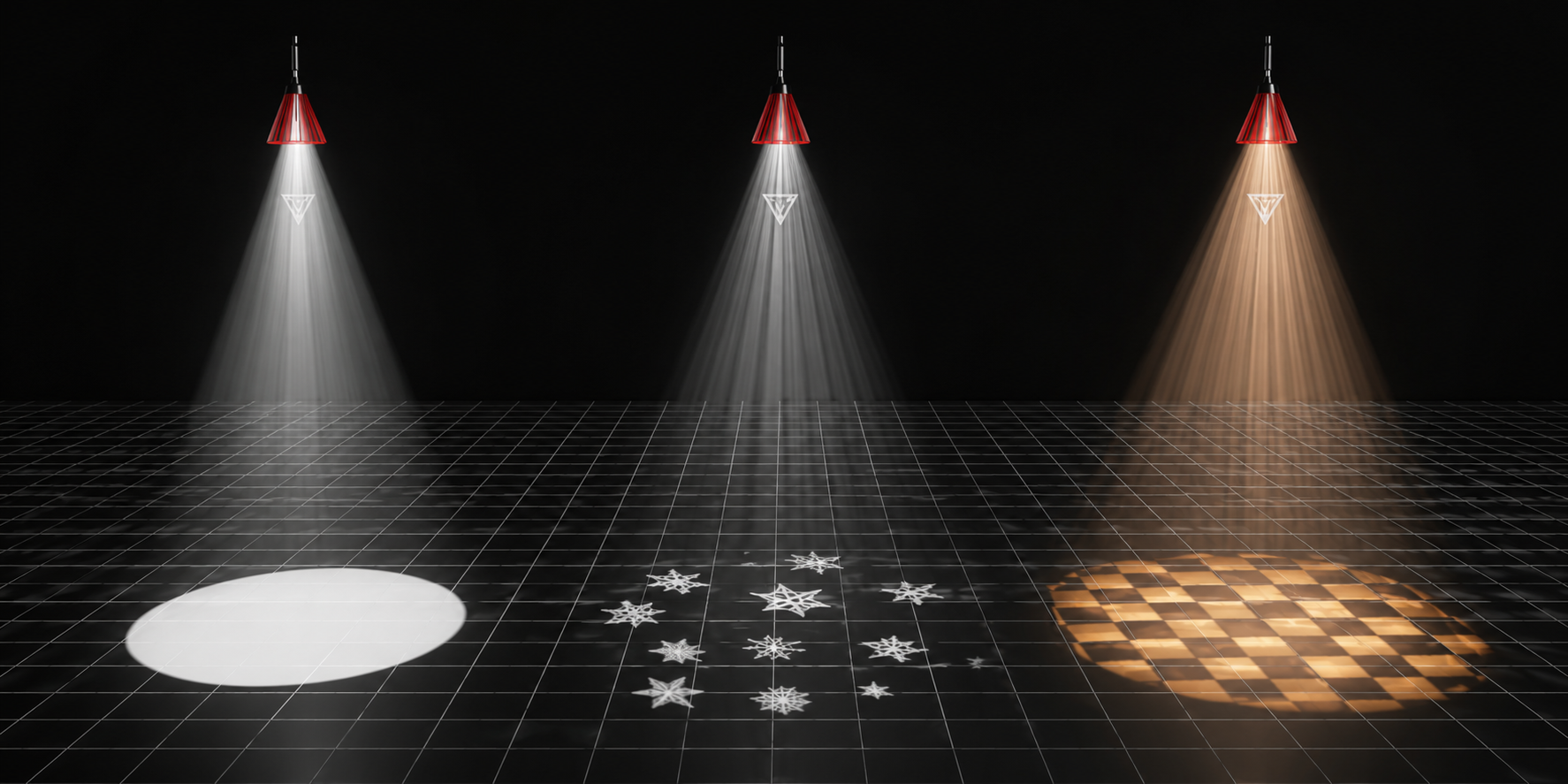
What Is a Gobo Light?
A gobo light is a lighting fixture that projects patterns, shapes, textures, or logos using a small template called a “gobo.” The word “gobo” is commonly believed to stand for “Goes Before Optics” or “Goes Between Optics,” referring to its position inside the lighting fixture.
A gobo itself is a thin stencil or template placed inside a lighting fixture. When light passes through the gobo, the pattern cut into the material is projected onto a surface.
These projections can include:
Company logos
Abstract textures
Geometric shapes
Natural elements
Window patterns
Custom branding
Decorative wedding monograms
Artistic stage effects
Gobo lighting has become an essential part of professional lighting design because it allows lighting designers to transform ordinary spaces into immersive visual environments.
The History of Gobo Lighting
The use of gobos dates back to traditional theater lighting. In the early days of stage production, lighting designers used simple metal cutouts inside ellipsoidal reflector spotlights to create shadows and scenic textures.
As technology improved, gobos evolved from basic steel templates into sophisticated glass designs capable of projecting highly detailed artwork and full-color images.
Modern LED moving head fixtures now include rotating gobo wheels, allowing dynamic projection effects with movement, animation, and color changes.
Today, gobos are widely used not only in entertainment venues but also in:
Retail stores
Museums
Architectural lighting
Hotels
Houses of worship
Theme parks
Advertising campaigns
How Does a Gobo Light Work?
.png)
The operation of a gobo light is relatively simple but highly effective.
Inside the lighting fixture, the light source emits a concentrated beam. The beam passes through the gobo template before reaching the lens system. The lens focuses and projects the image onto a target surface.
The process involves several main components:
1. Light Source
The fixture may use:
LED light engines
Halogen lamps
Discharge lamps
Laser-assisted systems
LED technology has become increasingly popular because of its energy efficiency, long lifespan, and low heat generation.
2. Gobo Holder or Gobo Wheel
The gobo is mounted inside the fixture either as:
Fixed gobos
Rotating gobos
Interchangeable gobos
Advanced moving head lights may contain multiple rotating gobo wheels.
3. Optics and Lens System
The optics focus the beam and determine projection sharpness, zoom capability, and beam angle.
4. Projection Surface
The final image appears on surfaces such as:
Floors
Walls
Ceilings
Stage backdrops
Screens
Curtains
Projection clarity depends on fixture quality, focus adjustment, projection distance, and environmental conditions.
Types of Gobos
Different applications require different gobo materials and designs. The three most common types are metal gobos, glass gobos, and plastic gobos.
Metal Gobos
Metal gobos are made from thin stainless steel sheets with patterns cut into the material.
Advantages
Durable
Affordable
Heat resistant
Suitable for simple designs
Limitations
Cannot display grayscale
Limited detail capability
No full-color projection
Metal gobos are commonly used for:
Simple logos
Geometric shapes
Text patterns
Window effects
Glass Gobos
Glass gobos are manufactured using coated glass with etched or printed designs.
Advantages
High-definition detail
Full-color capability
Complex image support
Smooth gradients
Limitations
Higher cost
More fragile than metal gobos
Glass gobos are ideal for:
Corporate branding
Luxury events
Theater productions
Detailed scenic effects
Many professional fixtures from Blue Sea Lighting are compatible with high-resolution rotating glass gobos for advanced stage projection.
Plastic Gobos
Plastic gobos are lightweight and inexpensive.
Advantages
Budget-friendly
Easy to customize
Suitable for temporary use
Limitations
Low heat resistance
Short lifespan
Less durable
Plastic gobos are often used in:
Small events
Photography studios
Temporary installations
Static vs Rotating Gobos
Modern lighting fixtures typically offer two main gobo styles.
Static Gobos
Static gobos remain fixed in position.
They are suitable for:
Architectural lighting
Fixed projections
Simple stage designs
Rotating Gobos
Rotating gobos move continuously or at adjustable speeds.
They create dynamic visual effects such as:
Moving water
Fire simulations
Spinning logos
Animated textures
Rotating gobos are especially popular in concerts, nightclubs, and live performances.
Common Applications of Gobo Lighting
Gobo lights are among the most versatile tools in entertainment lighting.
Concerts and Live Music Events
Concert lighting designers use gobos to create:
Dynamic textures
Audience effects
Moving atmospheric visuals
Dramatic stage backgrounds
Combined with haze machines, gobo beams become even more visible and immersive.
Theater Productions
Theaters frequently use gobos to simulate environmental elements such as:
Forest shadows
Moonlight through windows
Rain effects
Prison bars
Clouds
Gobos help reduce the need for physical stage props while enhancing realism.
Weddings and Banquets
Wedding planners often use custom gobos for:
Couple monograms
Decorative floor patterns
Romantic ceiling projections
These personalized projections create memorable visual experiences.
Corporate Events
Businesses use gobo lighting for branding purposes.
Applications include:
Company logos
Product launches
Trade show displays
Promotional visuals
Custom logo projection adds professionalism and brand recognition.
Nightclubs and Bars
Nightclubs use rotating gobos to create energetic environments with constantly changing visual textures.
Popular effects include:
Abstract motion graphics
Tunnel effects
Rotating patterns
Multi-layer beam visuals
Architectural Lighting
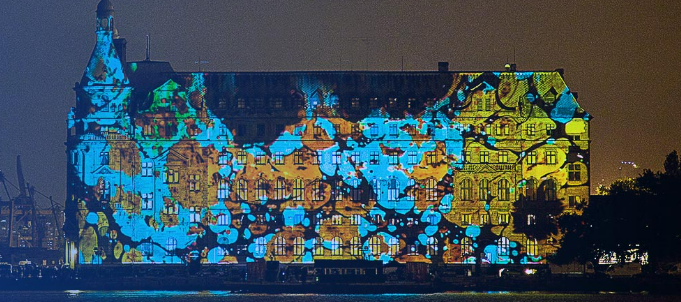
Architectural designers use gobos for exterior and interior decoration.
Examples include:
Seasonal projections
Holiday decorations
Building branding
Artistic wall textures
Benefits of Using Gobo Lights
There are several reasons why gobo lighting remains essential in modern productions.
Visual Creativity
Gobos allow designers to create unique visual environments without building physical scenery.
Cost Efficiency
Instead of constructing expensive sets, projections can simulate environments at lower cost.
Flexibility
Changing a gobo is fast and simple, allowing rapid scene transitions.
Branding Opportunities
Custom gobos provide effective brand visibility at events and exhibitions.
Space Transformation
A simple room can instantly become immersive through textured lighting projection.
Enhanced Audience Experience
Dynamic visuals help engage audiences emotionally and create memorable performances.
Choosing the Right Gobo Light
Several factors should be considered when selecting a gobo lighting fixture.
Brightness
Brightness is critical for projection clarity, especially in large venues.
Consider:
Venue size
Ambient light levels
Projection distance
Higher wattage fixtures are generally better for large-scale events.
Projection Quality
Professional fixtures offer:
Sharper focus
Better optical systems
Reduced distortion
Higher-definition projections
Gobo Compatibility
Check whether the fixture supports:
Metal gobos
Glass gobos
Rotating gobos
Custom gobos
Zoom Range
Zoom functionality allows flexible beam adjustment.
A wider zoom range increases versatility across different venues.
Rotation Effects
Advanced fixtures provide:
Variable rotation speed
Bidirectional movement
Shake effects
Gobo morphing
LED vs Traditional Lamp Fixtures
LED gobo projectors are increasingly replacing traditional discharge fixtures.
Advantages of LED Fixtures
Lower power consumption
Longer lifespan
Reduced maintenance
Lower operating temperature
Faster startup
Advantages of Discharge Fixtures
Extremely high brightness
Long throw distances
The choice depends on application requirements and budget.
Gobo Design Tips
Good gobo design is essential for effective projection.
Keep Designs Simple
Overly complicated artwork may lose clarity when projected.
Use High Contrast
Strong contrast improves visibility.
Consider Projection Distance
Small details may disappear over long distances.
Match the Venue
Choose designs appropriate for the event atmosphere.
Importance of Haze and Fog
Haze machines significantly improve gobo beam visibility.
Without atmospheric effects, only the projected surface may be visible.
With haze:
Beam paths become visible
Aerial effects appear
Visual depth increases
This combination is extremely popular in concerts and clubs.
Maintenance of Gobo Lights
Regular maintenance ensures long fixture lifespan and consistent performance.
Clean Lenses Frequently
Dust accumulation reduces projection quality.
Inspect Gobos
Damaged gobos can distort images.
Maintain Cooling Systems
Overheating shortens fixture lifespan.
Store Properly
Protect gobos from scratches and impact.
Common Problems and Solutions
Blurry Projection
Possible causes:
Incorrect focus
Dirty lens
Warped gobo
Uneven Brightness
Possible causes:
Aging lamp
Optical misalignment
Dust buildup
Overheating
Possible causes:
Blocked ventilation
Fan failure
Excessive ambient temperature
Routine inspection helps prevent these issues.
Future Trends in Gobo Lighting
Gobo lighting technology continues evolving rapidly.
Key industry trends include:
LED innovation
Intelligent moving fixtures
Digital gobo projection
Hybrid beam systems
AI-assisted lighting programming
Manufacturers are also focusing on:
Energy efficiency
Lightweight fixtures
Wireless control systems
High-resolution optics
As live entertainment grows more immersive, gobo lighting will remain central to visual storytelling.
Why Stage Professionals Choose Professional Gobo Fixtures
Professional productions require fixtures capable of delivering:
High brightness
Sharp projection
Smooth movement
Reliable operation
Advanced control features
This is why experienced lighting designers often choose professional-grade solutions from manufacturers like Blue Sea Lighting, which offer advanced moving head fixtures compatible with rotating glass gobos and precision optics.
Conclusion
Gobo lighting is one of the most powerful tools in modern stage and event production. From simple textured projections to complex animated visuals, gobos help lighting designers create immersive environments that capture audience attention and enhance storytelling.
Whether used in concerts, theaters, weddings, clubs, or corporate events, gobo lights provide unmatched flexibility, creativity, and branding potential.
Understanding how gobos work, the differences between gobo types, and the importance of projection quality allows stage professionals to make smarter equipment choices and achieve better visual results.
As lighting technology continues to advance, gobo projection will remain an essential part of professional stage design for years to come.



Blue Sea Lighting is an enterprise with rich experience in the integration of industry and trade in stage lighting and stage special effects related equipment. Its products include moving head lights, par lights, wall washer lights, logo gobo projector lights, power distributor, stage effects such as electronic fireworks machines, snow machines, smoke bubble machines, and related accessories such as light clamps.
Quick Links
For more questions subscribe to our email