Introduction
Great storytelling in live performance doesn't rely solely on script or sound. Light is a powerful narrative tool—one that subtly guides audience emotion, underscores dramatic tension, and shapes the spatial rhythm of a scene. In modern stage design, immersive lighting has evolved from background support to a primary storytelling device.
This article explores how lighting scenes can be composed to tell deeper stories, with a focus on theatrical logic, dynamic programming, and expressive fixture usage. We’ll also highlight how a product like the LED 300W Profile Spot Light can support precision-based visual storytelling.
1. Light as Narrative: Beyond Visibility
Traditionally, stage lighting was responsible for making performers visible. Today, it does much more—it paints emotional tone, signifies transitions, and delivers subtext. A change in color, angle, or intensity can signal:
A shift in time or location
A character's emotional state
Symbolic presence (e.g., divine light, memory space)
Inner monologue moments
In immersive environments such as interactive theater or hybrid installations, lighting often takes on the role of a silent narrator.
2. The Scene as a Canvas
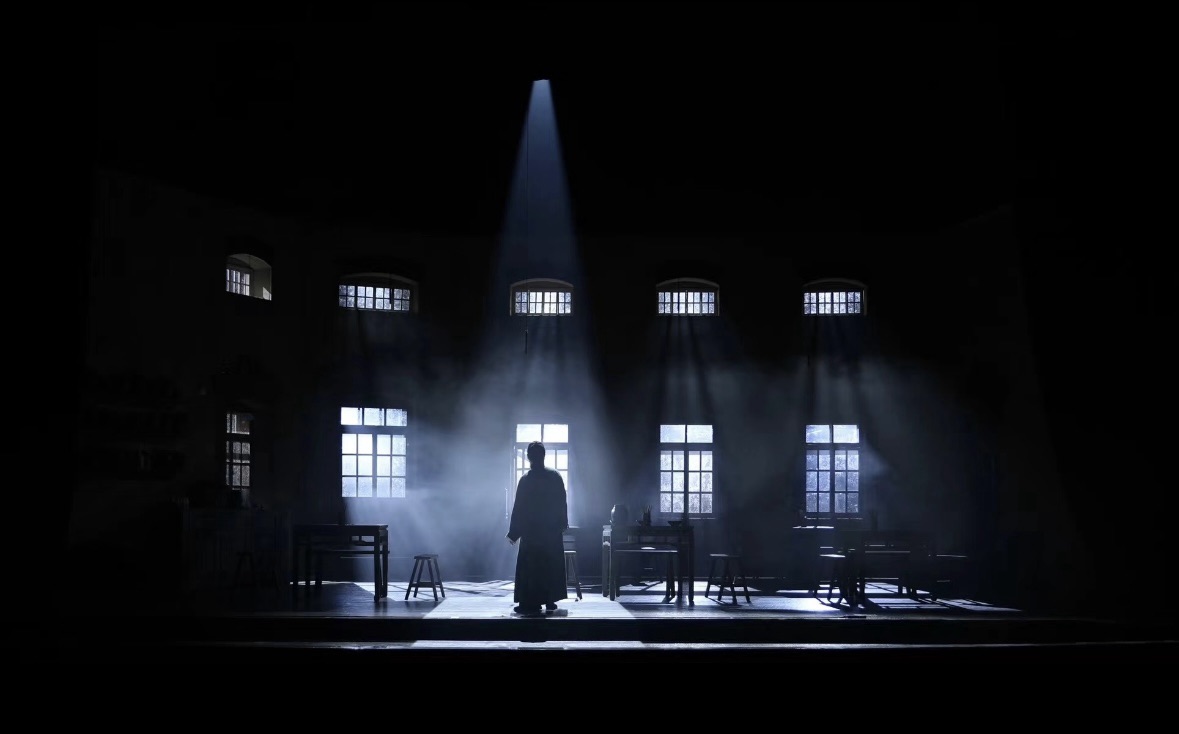
Each scene in a performance offers an opportunity to build a distinct world. By treating the stage as a dynamic canvas, lighting designers use layers of illumination to carve out mood, tension, and spatial contrast.
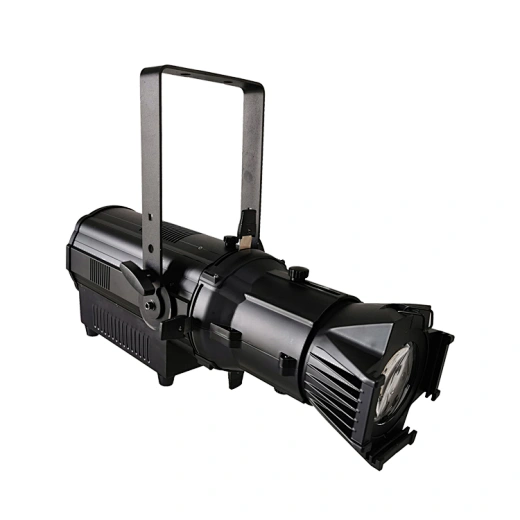
The LED 300W Profile Spot Light is a fixture built for this level of control. Its features include:
High-intensity output with smooth dimming
Focusable beam edges (hard or soft)
Gobo compatibility for texture and pattern projection
Zoom optics for shaping stage zones
Such tools allow for precise narrative lighting—from ghostly washes to tight highlights that isolate action within a larger group.
3. Movement and Timing: Lighting as Editor
Just like cuts in film editing, lighting changes provide pacing and structure. A slow fade can signal memory. A snap blackout creates shock. Crossfades can link parallel timelines or emotional shifts.
Using programmable lighting desks, designers can trigger dynamic transitions such as:
Scene-to-scene washes (location change)
Character-driven shifts (emotional focus)
Music-synced chases (rhythm-based tension)
Automated cues allow lighting to “breathe” with performance—intensifying a beat, softening during reflection, or fading into transitions.
4. Space, Depth, and Psychological Dimension
Lighting is a three-dimensional tool. With it, designers can suggest architectural features, expand stage boundaries, or compress physical space.
By using profile fixtures from high side or back angles, one can:
Create silhouette outlines for tension
Frame areas of action to heighten intimacy
Use shadow placement to conceal or reveal movement
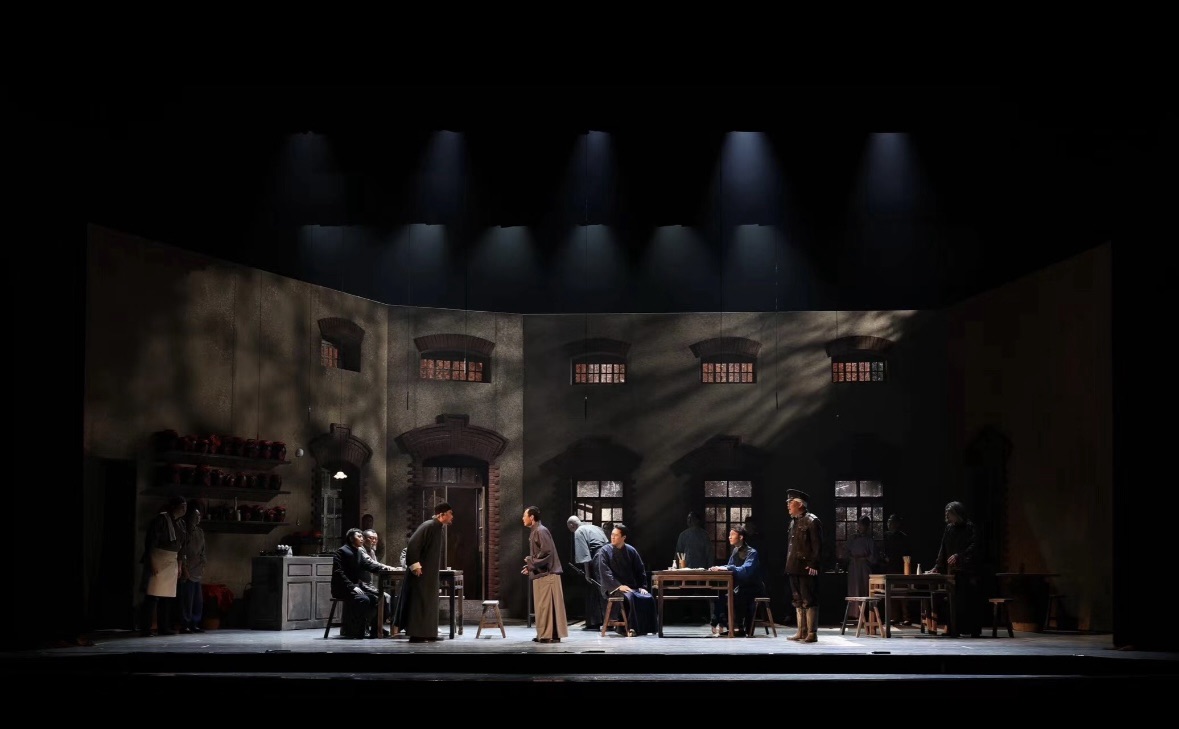
The LED 300W Profile Spot Light excels in shaping these spaces. With edge control and gobo effects, it becomes a beam-based sculptor—drawing focus to a lover’s face in a crowd or isolating a confession in abstract darkness.These spatial dynamics are essential not only for emotional impact but also for practical direction. A well-lit corridor can subtly guide an actor’s entrance, or a layered shadow can hint at hidden conflict.In immersive environments like 360° black box stages or promenade theater, careful control of beam edges allows designers to create “zones of meaning”—spaces that shift in tone or purpose throughout the narrative. For example, a soft-edged profile may serve as a warm memory space in one act and a cold interrogation focus in another. By adjusting field angle, intensity, and position, designers compose visual subtext. The audience may not consciously track each cue, but their emotional response will always reflect the lighting choices behind the scene.
5. Building an Immersive Sequence
A truly immersive scene isn't created with one look—it evolves. Designers sequence lighting moments just like music, crafting arcs of tension and release.
Consider an act with five narrative stages:
Anticipation – cool side light, low angle
Confrontation – strobe flash, harsh front fill
Loss – wide soft wash, pale amber
Memory – rear gobo projection with subtle animation
Renewal – sunrise effect via slow RGB fade from dark blue to white
Each transition should feel fluid and justified, never decorative. The goal is always alignment with story, mood, and character truth.
Conclusion
The creative power of lighting lies not in how much it shows, but in what it chooses to reveal. In immersive storytelling, light acts as both guide and gatekeeper. It controls perception, carves emotion into space, and constructs rhythm through illumination.
As digital lighting control systems evolve and fixtures like the LED 300W Profile Spot Light offer greater accuracy, designers are empowered to craft moments with cinematic quality—live and in real time. This is the future of stagecraft: programmable, poetic, and emotionally intelligent.