Stage lighting has become one of the most important elements in modern entertainment. Whether in concerts, theaters, television studios, clubs, weddings, festivals, or corporate events, lighting helps create atmosphere, emotion, and visual excitement.
Among all professional lighting equipment, moving head stage lights are some of the most widely used and versatile fixtures in the industry. These intelligent lighting systems can rotate, change colors, project patterns, and create powerful visual effects automatically.
Today, moving head lights are considered essential for professional stage productions because they provide flexibility, creativity, and dynamic performance capabilities that traditional static lights cannot achieve.
This article explains what moving head stage lights are, how they work, their main features, types, applications, advantages, and future trends in the entertainment industry.
1. What Is a Moving Head Stage Light?
A moving head stage light is an intelligent lighting fixture that can automatically move in different directions during a performance.
Unlike traditional fixed lighting fixtures, moving head lights contain motorized systems that allow the light beam to rotate horizontally and vertically.
These movements are commonly called:
Pan movement (left and right rotation)
Tilt movement (up and down rotation)
Because the fixture can move automatically, lighting designers can create dynamic lighting scenes without manually repositioning equipment.
Moving head lights are controlled through digital lighting systems such as DMX512, allowing operators to program movement, color, brightness, patterns, and effects in real time.
2. The History of Moving Head Lighting
Before intelligent lighting technology existed, stage lighting systems relied mainly on fixed spotlights and manually operated fixtures.
Traditional lighting setups required technicians to physically adjust lights during rehearsals or performances. This process was time-consuming and limited creative flexibility.
In the 1980s, intelligent lighting technology began transforming the entertainment industry. Early moving head fixtures introduced motorized movement and remote control capabilities.
Over time, improvements in electronics, optics, software, and LED technology made moving head lights more powerful, efficient, and affordable.
Today, moving head fixtures are used in almost every major entertainment production around the world.
3. Main Components of a Moving Head Light
Modern moving head fixtures contain several important components that work together to produce dynamic lighting effects.
Light Source
The light source generates the actual illumination.
Common light sources include:
LED modules
Discharge lamps
Laser-assisted systems
LED technology has become increasingly popular because it provides:
Lower power consumption
Longer lifespan
Faster color changes
Reduced heat generation
Pan and Tilt Motors
Internal motors control the movement of the fixture.
These motors allow precise horizontal and vertical rotation, enabling fast and accurate positioning.
Modern moving head lights can perform extremely smooth and rapid movement during live shows.
Optical System
The optical system controls beam shape, focus, and projection quality.
This system may include:
Lenses
Reflectors
Zoom systems
Focus adjustment mechanisms
Advanced optics help create sharp beams, wide washes, or precise spot projections.
Color Mixing System
Most moving head fixtures include color systems that allow instant color changes.
Common color technologies include:
RGB color mixing
CMY color mixing
Color wheels
These systems allow millions of color combinations for creative lighting design.
Gobos
Gobos are small templates used to project patterns or textures.
Moving head lights can project:
Logos
Geometric shapes
Abstract patterns
Textures
Themed visual effects
Rotating gobos create dynamic visual movement on stage surfaces.
Prism Effects
Prisms split one beam into multiple beams.
This creates:
Multi-beam aerial effects
Layered visuals
Kaleidoscope-style projections
Prism systems are especially popular in concerts and clubs.
4. Types of Moving Head Stage Lights
There are several main types of moving head fixtures used in professional lighting design.
Moving Head Beam Lights
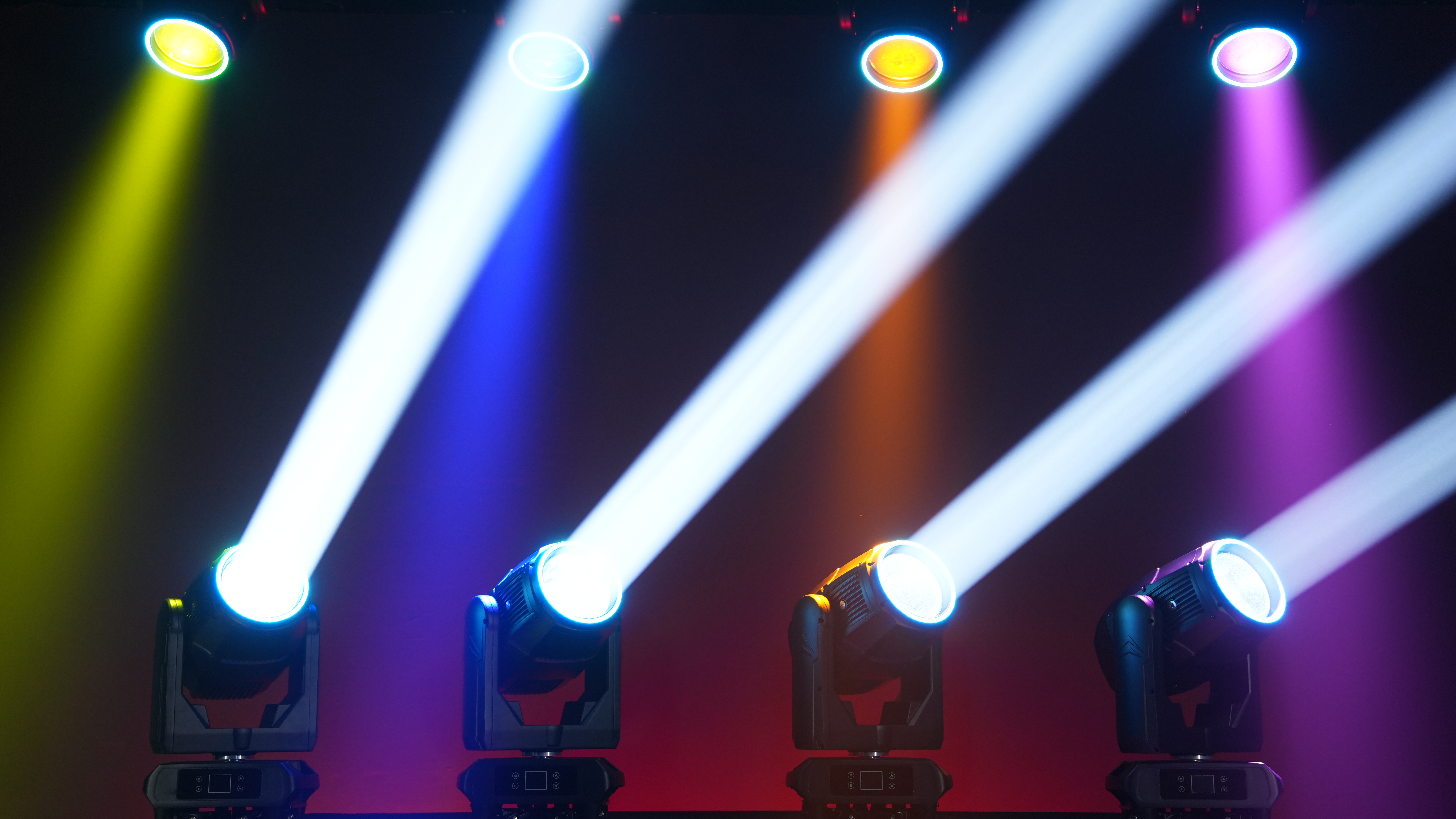
Beam lights produce narrow and intense beams of light.
Features include:
Sharp aerial effects
Long projection distance
High brightness
Dramatic beam visibility
Beam lights are commonly used in concerts and festivals.
Moving Head Spot Lights
.jpg)
Spot lights are designed for projection and focus.
They typically include:
Gobos
Focus adjustment
Zoom capability
Prism effects
Spot lights are ideal for theaters and stage productions.
Moving Head Wash Lights
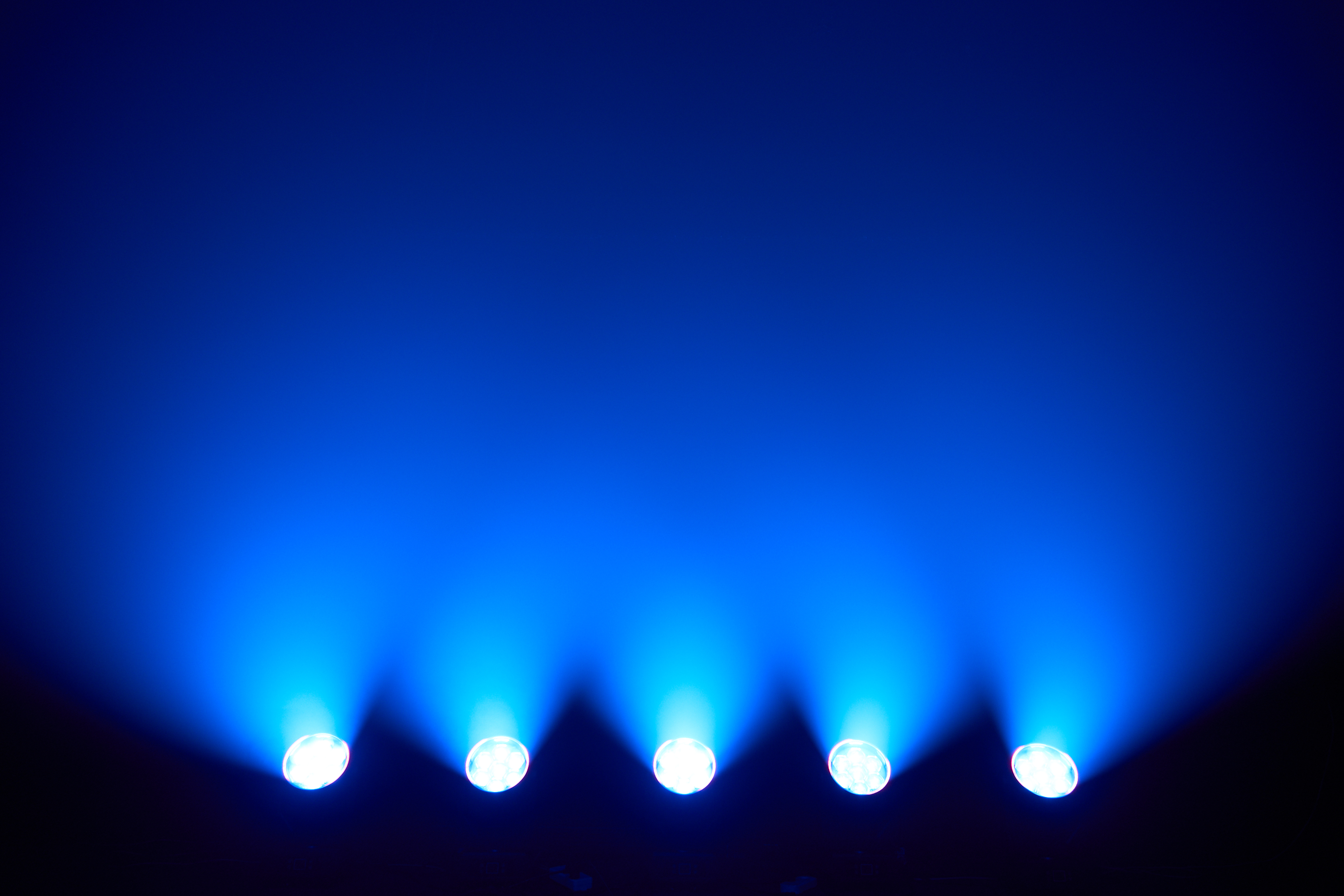
Wash lights provide broad and soft illumination.
They are commonly used for:
Stage washes
Background lighting
Color atmosphere
Audience lighting
Wash fixtures often use LED arrays for smooth color blending.
Hybrid Moving Head Lights
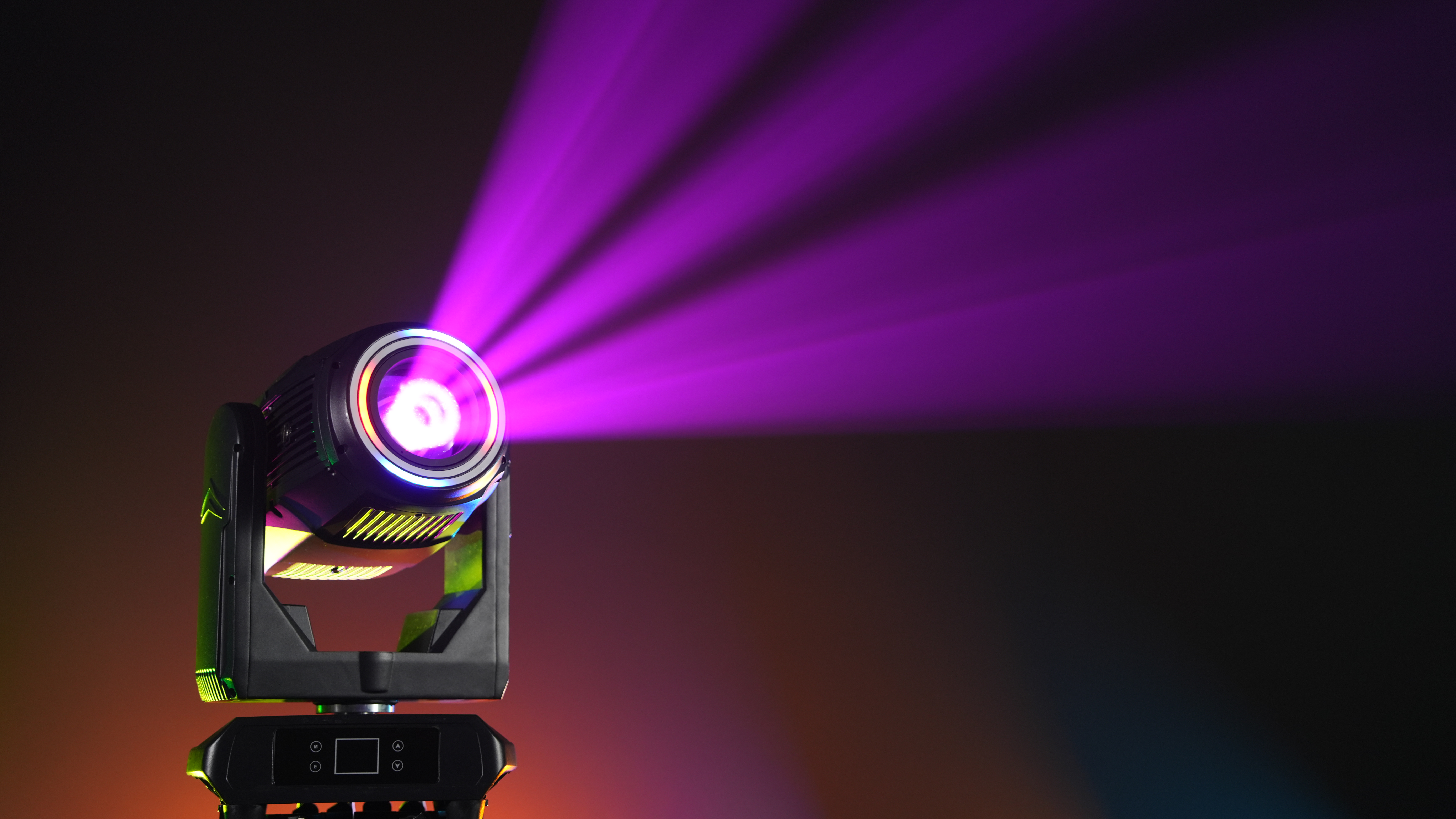
Hybrid fixtures combine beam, spot, and wash functions into one unit.
Advantages include:
Greater flexibility
Reduced equipment quantity
Lower setup complexity
Multi-purpose performance
Hybrid systems are becoming increasingly popular in modern productions.
5. How Moving Head Lights Work
Moving head lights are controlled using digital communication protocols such as DMX512.
Lighting consoles send commands to fixtures, allowing operators to control:
Movement
Brightness
Colors
Effects
Gobos
Prism rotation
Strobe functions
Designers can program entire lighting shows in advance or control fixtures live during performances.
Modern software allows synchronization with:
Music
Video systems
Timecode
Media servers
Interactive systems
This synchronization creates highly immersive live experiences.
6. Applications of Moving Head Stage Lights
Moving head lighting is widely used across many industries.
Concerts and Music Festivals
Concert productions rely heavily on moving head lights to create energy and audience excitement.
Common effects include:
Sweeping beams
Synchronized movement
Dynamic color changes
Strobe effects
Theater Productions
In theaters, moving head fixtures help support storytelling and emotional atmosphere.
They can:
Highlight performers
Create dramatic scenes
Change focus quickly
Project textures and patterns
Television Studios
Television productions use moving head lights for:
Dynamic camera effects
Background lighting
Audience illumination
Stage transitions
Nightclubs and Entertainment Venues
Clubs use moving head lights to create immersive dancefloor environments.
Popular effects include:
Fast beam movement
Color chases
Strobe lighting
Prism visuals
Corporate Events and Exhibitions
Corporate events use intelligent lighting to enhance presentations and brand experiences.
Applications include:
Product launches
Trade shows
Conferences
Award ceremonies
7. Advantages of Moving Head Lights
Moving head lighting offers many advantages compared with traditional lighting systems.
Flexibility
One fixture can perform many different functions.
Dynamic Visual Effects
Moving fixtures create motion and energy on stage.
Reduced Manual Adjustment
Automated movement eliminates constant repositioning.
Creative Freedom
Designers can create highly customized visual experiences.
Space Efficiency
Fewer fixtures are needed because one unit can cover multiple positions.
Energy Efficiency
Modern LED moving heads consume less power than older systems.
8. The Role of Haze and Fog
Moving head beam effects become more visible when combined with haze or fog.
Atmospheric particles allow audiences to see the entire beam path.
This creates:
Three-dimensional lighting
Stronger aerial visuals
Enhanced atmosphere
More immersive environments
Most professional productions use haze systems together with moving head lighting.
9. Intelligent Lighting Control Systems
Modern lighting systems use advanced software and networking technologies.
Popular control systems include:
DMX512
Art-Net
sACN
Timecode synchronization
These systems allow:
Automated programming
Remote fixture management
Real-time adjustments
Complex lighting choreography
Intelligent control systems are essential for large-scale productions.
10. LED Technology and Sustainability
LED moving head technology has transformed the industry.
Benefits include:
Lower energy usage
Longer lifespan
Less maintenance
Faster operation
Reduced heat generation
As sustainability becomes more important, LED lighting continues replacing older discharge lamp systems.
11. Future Trends in Moving Head Lighting
The future of moving head lighting is focused on smarter, faster, and more immersive technologies.
Emerging trends include:
AI-assisted programming
Interactive lighting systems
XR integration
Cloud-based lighting control
Advanced pixel mapping
More compact fixture designs
Future systems will provide even greater creative possibilities for designers.
Conclusion
Moving head stage lights are one of the most important innovations in modern entertainment lighting.
Their ability to move, change color, project effects, and synchronize with performances makes them essential tools for concerts, theaters, festivals, clubs, and corporate events.
As technology continues evolving, moving head lighting will become even more intelligent, efficient, and visually impressive.
For lighting designers and event professionals, understanding moving head technology is essential for creating immersive and unforgettable audience experiences.



Blue Sea Lighting is an enterprise with rich experience in the integration of industry and trade in stage lighting and stage special effects related equipment. Its products include moving head lights, par lights, wall washer lights, logo gobo projector lights, power distributor, stage effects such as electronic fireworks machines, snow machines, smoke bubble machines, and related accessories such as light clamps.
Quick Links
For more questions subscribe to our email