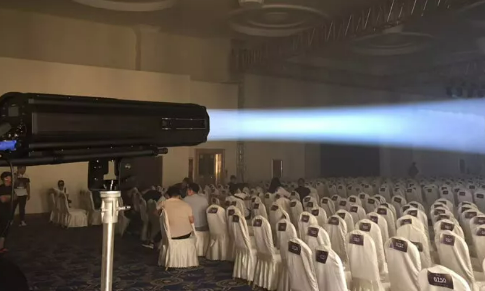
In today’s entertainment industry, lighting design has evolved far beyond simple illumination. Lighting is now an essential artistic language that shapes emotion, enhances storytelling, creates atmosphere, and defines audience experiences. However, as technology advances and lighting equipment becomes more sophisticated, many designers are beginning to realize an important truth: more lighting does not always create better visual results.
In fact, some of the most memorable stages, concerts, exhibitions, and events rely on a surprisingly simple principle — minimalism.
Minimalist lighting design follows the philosophy of “less is more.” Instead of overwhelming the audience with excessive colors, rapid movement, or countless fixtures, minimalist lighting focuses on precision, emotion, balance, and visual clarity. By carefully controlling light intensity, placement, shadows, and color choices, designers can create stunning environments using fewer elements.
This approach is becoming increasingly popular in concerts, luxury brand launches, weddings, theater productions, fashion shows, corporate events, and even architectural lighting. Minimalist lighting is no longer viewed as a limitation; it is now considered a mark of sophistication and creative maturity.
Understanding Minimalist Lighting Design
Minimalist lighting design is not about using as little equipment as possible simply to reduce costs. Instead, it is about intentionality. Every beam, shadow, color, and movement serves a purpose.
A minimalist stage may contain only a few lighting fixtures, yet still feel emotionally powerful and visually rich. The focus is not on quantity but on quality and placement.
Minimalist lighting usually includes:
Clean visual composition
Limited color palettes
Strategic use of darkness
Controlled movement
Focused beams
Balanced lighting layers
Emotional storytelling
Rather than filling every corner of the stage with light, minimalist designers carefully decide where light should exist — and where darkness should remain.
This balance creates visual depth and emotional tension that audiences naturally respond to.
Why Minimalist Lighting Is Becoming More Popular
1. Audiences Prefer Cleaner Visual Experiences
Modern audiences are constantly exposed to visual overload through social media, advertising, and digital screens. Because of this, clean and refined visual experiences often feel more premium and emotionally engaging.
A stage overloaded with effects can sometimes appear chaotic or distracting. Minimalist lighting, on the other hand, creates focus and elegance.
Simple lighting allows audiences to pay attention to:
The performer
The music
The product
The story
The emotional atmosphere
This clarity often creates stronger emotional connections.
2. Minimalism Creates Stronger Emotional Impact
Lighting is deeply connected to emotion.
A single spotlight in a dark theater can create loneliness, vulnerability, or intimacy. Soft warm lighting can create comfort and romance. Slow lighting transitions can build suspense and emotional depth.
Minimalist lighting works because it removes unnecessary distractions. When fewer visual elements compete for attention, every lighting change becomes more meaningful.
This is why many modern theater productions and cinematic concerts use restrained lighting approaches.
3. Energy Efficiency and Sustainability
Sustainability has become a major priority in the event industry.
Minimalist lighting often uses:
Fewer fixtures
Lower power consumption
Simpler rigging systems
Reduced transportation needs
This helps production companies lower costs while also supporting environmentally friendly practices.
LED technology has further strengthened this trend by allowing smaller setups to produce powerful visual effects with minimal energy usage.
4. Luxury Brands Prefer Simplicity
Luxury brands rarely use excessive visual chaos. Instead, they focus on sophistication, elegance, and controlled aesthetics.
Minimalist lighting aligns perfectly with luxury branding because it communicates:
Confidence
Clean design
Professionalism
Modernity
Premium quality
This is why many high-end fashion shows and technology launches rely heavily on minimalist lighting concepts.
The Core Principles of Minimalist Lighting
1. Precision Matters More Than Quantity
One carefully positioned beam can be more powerful than twenty randomly placed fixtures.
Minimalist lighting designers spend significant time considering:
Beam angle
Fixture height
Focus area
Shadow placement
Lighting direction
Precision creates visual harmony.
Poorly placed lighting immediately becomes noticeable in minimalist environments because there are fewer elements to hide mistakes.
2. Darkness Is Part of the Design
Many beginners think good lighting means making everything visible.
Experienced designers understand that darkness is equally important.
Dark spaces help:
Create contrast
Build drama
Define focus
Add mystery
Enhance depth
Without darkness, light loses its emotional power.
Minimalist lighting often embraces black backgrounds, shadow zones, and negative space to make illuminated areas more impactful.
3. Limited Colors Create Sophistication
Minimalist lighting rarely uses every available color.
Instead, designers typically focus on:
Monochromatic schemes
Neutral tones
Warm versus cool contrast
Low saturation colors
Too many colors can weaken visual consistency.
Controlled color palettes create elegance and emotional clarity.
4. Movement Should Feel Intentional
Fast-moving lights and aggressive effects can create excitement, but excessive movement quickly becomes exhausting.
Minimalist lighting favors:
Slow transitions
Smooth fades
Gentle movement
Controlled rhythm
This creates a more cinematic and immersive experience.
Movement becomes more noticeable and emotionally powerful when used sparingly.
Applications of Minimalist Lighting
Concerts and Live Music
Minimalist lighting works exceptionally well in music performances, especially:
Acoustic concerts
Jazz performances
Indie music shows
Piano recitals
Emotional ballads
Simple backlighting and silhouettes can create unforgettable visual moments.
Many internationally famous touring artists now use minimalist stage aesthetics to create emotional intimacy with audiences.
Theater Productions
Theater has always relied heavily on emotional lighting.
Minimalist lighting enhances:
Character focus
Scene transitions
Dramatic storytelling
Emotional tension
A single spotlight can sometimes communicate more emotion than an entire lighting rig.
Corporate Events and Product Launches
Modern technology companies prefer clean and futuristic visual presentations.
Minimalist lighting helps products stand out by reducing visual distractions.
It also creates:
Premium brand identity
Professional atmosphere
Strong visual focus
Better audience attention
Simple lighting geometry and controlled color schemes often appear more innovative and modern.
Weddings and Luxury Events
Minimalist lighting is increasingly popular in weddings because it creates elegance without visual clutter.
Soft warm lighting, candle-inspired effects, and subtle uplighting create romantic atmospheres that feel timeless and sophisticated.
Architectural Lighting
Minimalist concepts are also widely used in architecture.
Instead of flooding buildings with excessive brightness, designers now focus on:
Structural highlights
Texture enhancement
Controlled contrast
Selective illumination
This creates cleaner and more artistic nighttime appearances.
The Role of Technology in Minimalist Lighting
Modern lighting technology has made minimalism easier to achieve.
Today’s lighting fixtures are more powerful and versatile than ever before.
A single fixture can often perform multiple functions, including:
Beam effects
Wash lighting
Gobo projection
Zoom control
Pixel effects
Color mixing
This allows designers to achieve complex visual results with fewer physical fixtures.
Wireless DMX systems, compact LED fixtures, and intelligent control software have further simplified minimalist setups.
Common Mistakes in Minimalist Lighting
1. Confusing Minimalism with Underdesign
Minimalism is intentional simplicity — not lack of effort.
A poorly designed stage with insufficient lighting is not minimalist; it is incomplete.
Minimalist lighting still requires careful planning and artistic vision.
2. Ignoring Audience Visibility
Even minimalist stages must ensure audiences can clearly see important visual elements.
Balance between atmosphere and visibility is essential.
3. Overusing White Light
While neutral lighting is common in minimalist design, excessive plain white lighting can appear flat and lifeless.
Texture, contrast, and subtle color variation remain important.
4. Lack of Dynamic Variation
Minimalism should never feel static or boring.
Even simple lighting setups benefit from:
Gradual intensity changes
Controlled movement
Rhythmic transitions
Subtle variation keeps audiences emotionally engaged.
How to Achieve Stunning Looks with Minimalist Lighting
Focus on Lighting Angles
The angle of light dramatically affects mood and depth.
For example:
Side lighting creates texture
Backlighting creates atmosphere
Top lighting creates drama
Low-angle lighting creates tension
Good angles often matter more than expensive equipment.
Use Layered Lighting
Even minimalist stages benefit from layers.
Combining:
Background lighting
Subject lighting
Accent lighting
Atmospheric haze
creates depth without visual clutter.
Prioritize Quality Over Quantity
Investing in a few high-quality fixtures often produces better results than using many low-quality lights.
Professional optics, smooth dimming, and accurate color rendering make a major difference.
Design Around Emotion
Before choosing fixtures or colors, designers should ask:
“What should the audience feel?”
Emotion should guide every lighting decision.
The Future of Minimalist Lighting
Minimalist lighting is not a temporary trend. It reflects a broader shift in audience preferences and visual culture.
Future lighting design will likely continue moving toward:
Emotional storytelling
Sustainable production
Cleaner aesthetics
Intelligent automation
Human-centered experiences
As audiences become more visually educated, subtlety and sophistication will become increasingly valuable.
The future of lighting is not necessarily brighter or bigger.
It is smarter, more emotional, and more intentional.
Conclusion
Minimalist lighting proves that extraordinary visual experiences do not require excessive complexity.
By mastering precision, balance, contrast, and emotional storytelling, designers can create unforgettable environments using surprisingly few elements.
The true power of lighting does not come from quantity.
It comes from purpose.
In an industry often driven by bigger productions and louder effects, minimalist lighting reminds us that simplicity can sometimes create the strongest impact of all.



Blue Sea Lighting is an enterprise with rich experience in the integration of industry and trade in stage lighting and stage special effects related equipment. Its products include moving head lights, par lights, wall washer lights, logo gobo projector lights, power distributor, stage effects such as electronic fireworks machines, snow machines, smoke bubble machines, and related accessories such as light clamps.
Quick Links
For more questions subscribe to our email