Modernizing museum lighting is essential for improving energy efficiency, visual quality, and conservation performance. However, many institutions face a unique constraint: lighting upgrades must occur without interrupting public access to exhibitions. This article explores strategies and techniques for executing a successful museum lighting revamp with zero fixture downtime — ensuring uninterrupted visitor experiences and artwork safety.
Why Museums Can’t Afford Downtime
Unlike theaters or commercial venues, museums often operate on continuous public schedules with:
Time-sensitive traveling exhibitions
High-value artworks requiring climate and light consistency
Coordinated international loans with no rescheduling flexibility
Revenue dependency on daily foot traffic
For these reasons, shutting down galleries to replace lighting is rarely an option. The lighting upgrade must occur seamlessly — without dark zones, unsafe shadows, or visible technician activity.
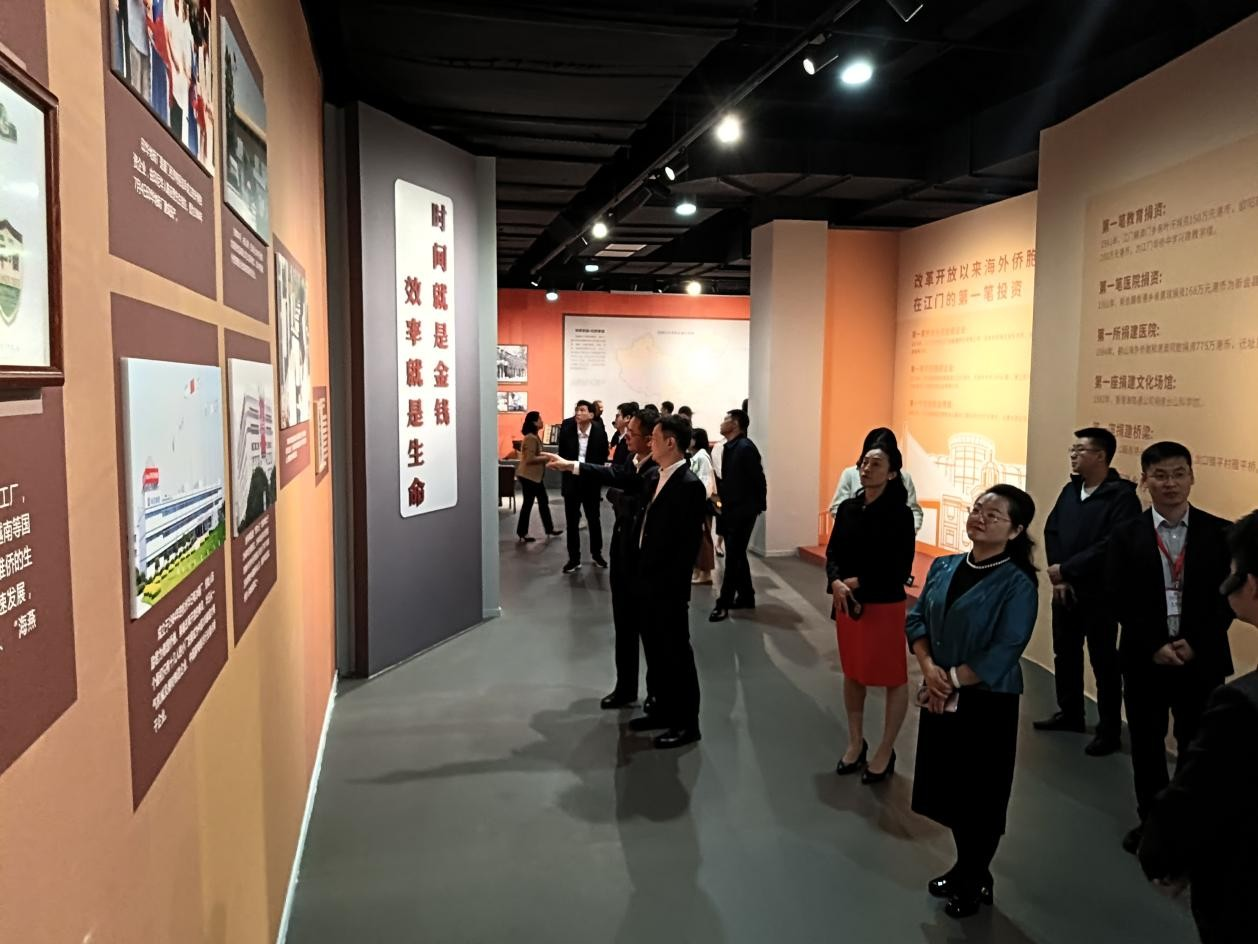
The Challenges of Retrofitting in Live Exhibit Spaces
Lighting retrofits in active museum spaces require overcoming the following hurdles:
Noise and vibration risks damaging fragile artifacts
Limited working hours due to open-day operations
Difficult access to ceiling-mounted fixtures above curated objects
Maintaining original lighting atmosphere for art integrity
Rigorous conservation guidelines limiting temperature and UV fluctuations
These constraints demand precision planning and careful execution.
Step 1: Lighting Audit and Infrastructure Assessment
Before any replacement begins, conduct a comprehensive audit:
Identify fixture types, wattages, control protocols (DMX, DALI, 0–10V, etc.)
Map light zones and exhibit overlap
Review existing power loads and circuit capacities
Evaluate beam angles, CRI, and UV output compatibility with artwork preservation standards
This assessment allows the new system to replicate — or enhance — the existing visual environment without noticeable change.
Step 2: Zoning and Phased Upgrade Strategy
Split the museum into operational zones based on lighting circuits, visitor traffic, and exhibit sensitivity.
Zone A/B Strategy: Only upgrade fixtures in alternating zones per night
Curated Grouping: Prioritize low-traffic or temporary exhibitions first
Pre-cabling: Run new control and power infrastructure before physical fixture swaps
Each zone should be upgraded, tested, and stabilized before moving to the next. This modular approach ensures zero blackout.
Step 3: Use After-Hours Replacement Windows
Many museums have 6–10 hour non-operational windows overnight. During this time:
Deploy specialized crews for quiet, non-intrusive fixture removal
Use padded lifts and filtered flashlights to avoid sound/light pollution
Follow a pre-labeled and pre-wired replacement schedule to minimize time on-site
Fixtures can also be pre-addressed and tested offsite to reduce in-gallery configuration time.
Step 4: Temporary Supplemental Lighting
To avoid gaps in coverage during fixture transitions:
Use low-heat temporary LED panels to maintain minimum lux levels
Position supplemental lights off-exhibit with wide beam angles
Set to similar color temperature (e.g., 3000K warm white) to avoid jarring contrast
Power via portable UPS if access to in-room circuits is restricted
This ensures continuous artwork visibility and maintains visitor comfort.
Step 5: Coordination with Curatorial and Security Staff
Effective zero-downtime upgrades require:
Clear communication with curators on beam focus and exhibit integrity
Access protocols for artifact-adjacent areas
Lighting mockups or digital visualizations before committing to final scenes
Security clearance for after-hours technical staff, including environmental sensors and CCTV coordination
Cross-departmental planning prevents disruptions and enhances outcome fidelity.
Step 6: Final Verification Without Disruption
After fixtures are installed:
Run test sequences in parallel with active exhibition hours, not replacing the current output but mirroring it on backup
Confirm light levels, beam shape, dimming curves, and color rendering
Use spectrometers and lux meters to validate specification adherence
Only disconnect legacy system once new system passes full verification
Visitors won’t even notice the transition — but the museum will benefit from long-term performance gains.
Conclusion: Upgrade Without Interruption
Revamping museum lighting with zero fixture downtime is fully achievable through:
Museums that implement these practices not only preserve the visitor experience but also extend fixture life, reduce energy costs, and improve light quality — all without closing a single gallery.
READ MORE:
READ MORE: