Introduction
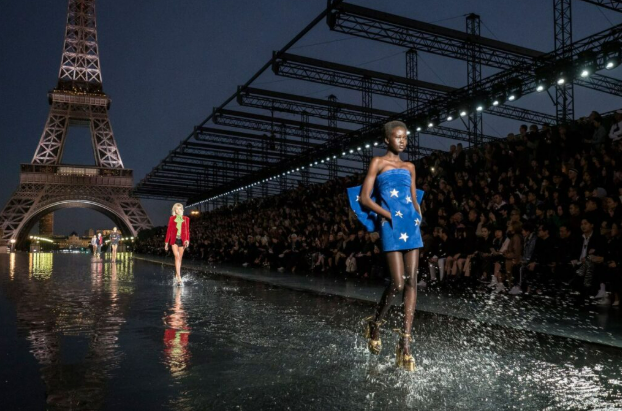
Fashion shows are more than simple clothing presentations. They are immersive visual performances that combine music, stage design, lighting, and storytelling. In every successful runway event, lighting plays a decisive role in shaping how the audience sees the garments, the models, and the brand identity itself.
Professional runway lighting does not simply illuminate the stage. It enhances colors, reveals textures, eliminates unwanted shadows, and synchronizes with the rhythm of the show. Whether for luxury fashion brands, bridal exhibitions, or commercial product launches, lighting technology directly influences audience experience and media presentation.
This article focuses on three important runway lighting techniques:
Why high Color Rendering Index (CRI) is essential for accurate clothing color reproduction
The golden ratio between front fill lighting and side modeling lighting for shadow control
Automated synchronization between lighting systems and runway music
1. Color Rendering Requirements: Why CRI Is Critical for Fashion Shows
1.1 What Is CRI?
CRI, or Color Rendering Index, measures how accurately a light source reproduces colors compared to natural daylight. The CRI scale ranges from 0 to 100.
CRI 100 = perfect natural color reproduction
CRI 90+ = professional-grade lighting
CRI below 80 = poor color accuracy
For fashion events, high CRI lighting is essential because designers rely heavily on precise fabric colors and material textures.
1.2 Why Accurate Color Reproduction Matters
Fashion designers carefully select every color tone in a collection. Poor lighting may distort these colors and damage the visual impact of the garments.
For example:
White dresses may appear yellow
Black fabrics may lose depth
Red garments may look orange
Metallic fabrics may lose reflection details
High-CRI lighting ensures that the audience sees garments exactly as intended by the designer.
1.3 How High CRI Improves Fabric Texture
Different fabrics react differently under stage lighting.
Satin
Reflects strong highlights.
Velvet
Absorbs light and requires careful illumination.
Sequins
Need directional lighting to create sparkle.
Transparent Fabrics
Require balanced brightness to maintain layering effects.
High-CRI fixtures allow these textures to appear rich, luxurious, and visually detailed.
1.4 Why LED Lighting Is Ideal for Fashion Shows
Modern fashion runways increasingly use LED stage lighting because it offers:
Excellent Color Accuracy
Professional LED fixtures can achieve CRI values above 95.
Low Heat Output
LEDs reduce heat on stage, improving model comfort.
Energy Efficiency
Lower power consumption with stronger brightness.
Flexible Color Temperature
Lighting designers can easily adjust warm white, neutral white, or cool white tones.
1.5 Recommended Lighting Layout for Accurate Colors
Professional runway lighting usually includes:
Front Key Lights
Illuminate the models directly.
Soft Fill Lights
Reduce harsh shadows.
Overhead Wash Lights
Create even brightness across the runway.
Backlighting
Separate models from the background.
Accent Lighting
Highlight dramatic moments during the show.
This layered setup ensures consistent color reproduction from every viewing angle.
2. Eliminating Shadows: The Golden Ratio Between Front Fill and Side Modeling Lights
2.1 Why Shadow Control Is Important
Poor shadow control can create several problems:
Distorted facial features
Hidden garment details
Uneven runway brightness
Poor photography results
Audience distraction
Because models continuously move, lighting must remain balanced throughout the runway.
2.2 The Role of Front Fill Lighting
Front fill lighting is responsible for:
Face Illumination
Ensures models are clearly visible.
Garment Visibility
Displays clothing details accurately.
Camera Exposure Support
Helps photographers capture clean images.
Audience Visibility
Allows guests to view the collection comfortably.
However, excessive front lighting may flatten the visual appearance of garments and models.
2.3 Why Side Modeling Lighting Is Necessary
Side lighting adds depth and dimension.
It enhances:
Body contours
Fabric movement
Garment texture
Dynamic visual layering
Side lighting creates a more cinematic and luxurious runway atmosphere.
2.4 The Golden Lighting Ratio
Professional runway designers often use:
70% Front Fill Lighting
30% Side Modeling Lighting
This balance provides both visibility and artistic depth.
2.5 Benefits of the 70/30 Lighting Ratio
Natural Skin Tones
Models appear healthier and more elegant.
Better Fabric Presentation
Clothing textures remain realistic.
Improved Photography
Photographers capture cleaner images with fewer exposure problems.
Audience Comfort
Balanced brightness reduces visual fatigue.
2.6 Side Lighting Positioning Techniques
Professional side lights are usually positioned:
At 45-degree angles
Slightly above shoulder level
Evenly along both runway sides
This setup creates flattering contours while maintaining consistent runway brightness.
2.7 Using Moving Head Fixtures
Modern fashion productions commonly use intelligent moving head fixtures because they provide:
Automated Tracking
Lights can follow models dynamically.
Adjustable Beam Angles
Flexible lighting control.
Smooth Dimming
Creates elegant scene transitions.
Programmable Motion Effects
Adds dramatic visual impact.
Popular fixtures include:
LED wash moving heads
Beam moving heads
Profile moving heads
Pixel effect lights
3. Rhythm Synchronization: Automated Lighting and Runway Music Programming
3.1 Why Lighting Synchronization Matters
Fashion shows are emotional performances.
Music controls rhythm, while lighting transforms rhythm into visual emotion.
Without synchronization:
The show may feel disconnected
Audience immersion decreases
Visual transitions become chaotic
Synchronized lighting creates stronger storytelling and audience engagement.
3.2 DMX Lighting Control Systems
Most professional fashion shows use DMX systems for lighting automation.
DMX allows operators to control:
Brightness
Adjust stage intensity in real time.
Color Changes
Switch between different runway moods.
Fixture Movement
Move intelligent lights automatically.
Effect Triggers
Activate visual effects during dramatic moments.
Scene Transitions
Create smooth visual flow throughout the show.
3.3 Timecode Synchronization Technology
Large international runway productions often use SMPTE Timecode systems.
This technology synchronizes:
Music playback
LED screens
Lighting effects
Laser systems
Stage automation
Everything operates with frame-level precision.
3.4 Emotional Lighting Programming
Professional lighting designers create different emotional stages during a fashion show.
Opening Scene
Soft ambient lighting builds anticipation.
Main Runway Presentation
Bright balanced lighting highlights the garments.
Dramatic Collection Reveal
Dynamic moving beams increase excitement.
Finale
Powerful full-stage lighting creates emotional climax.
3.5 AI and Intelligent Lighting Systems
Modern fashion events increasingly use AI-assisted lighting systems.
AI technology can:
Analyze Music Tempo Automatically
Lighting changes follow rhythm precisely.
Trigger Dynamic Scenes
Reduce manual programming work.
Adjust Brightness in Real Time
Improve visual consistency.
Enhance Synchronization Accuracy
Create smoother transitions.
AI lighting systems are becoming an important trend in future runway productions.
4. Common Fashion Show Lighting Mistakes
4.1 Overexposure
Too much brightness destroys garment details.
4.2 Low-CRI Fixtures
Poor-quality lighting damages color accuracy.
4.3 Excessive Colored Effects
Strong colored lights may distort fabric appearance.
4.4 Uneven Lighting Coverage
Models may appear brighter or darker in different runway sections.
4.5 Incorrect Fixture Angles
Poor positioning creates distracting facial shadows.
Professional rehearsal and testing are essential before every event.
5. Future Trends in Fashion Show Lighting
Modern fashion lighting continues evolving rapidly.
Future trends include:
AI Lighting Automation
Smarter programming systems.
XR Virtual Fashion Shows
Lighting integrated with virtual environments.
Wireless Lighting Control
More flexible stage installation.
Interactive Audience Lighting
Real-time audience-responsive effects.
Sustainable LED Technology
Energy-efficient environmentally friendly systems.
Conclusion
Perfect runway lighting combines technology, creativity, and emotional storytelling.
High-CRI fixtures ensure accurate color reproduction. Balanced front fill and side modeling lighting eliminate harsh shadows while preserving elegant depth. Automated synchronization between lighting and music transforms fashion shows into immersive visual experiences.
As fashion events continue evolving toward digital and immersive presentations, professional lighting technology will remain one of the most important elements in creating unforgettable catwalk performances.



Blue Sea Lighting is an enterprise with rich experience in the integration of industry and trade in stage lighting and stage special effects related equipment. Its products include moving head lights, par lights, wall washer lights, logo gobo projector lights, power distributor, stage effects such as electronic fireworks machines, snow machines, smoke bubble machines, and related accessories such as light clamps.
Quick Links
For more questions subscribe to our email