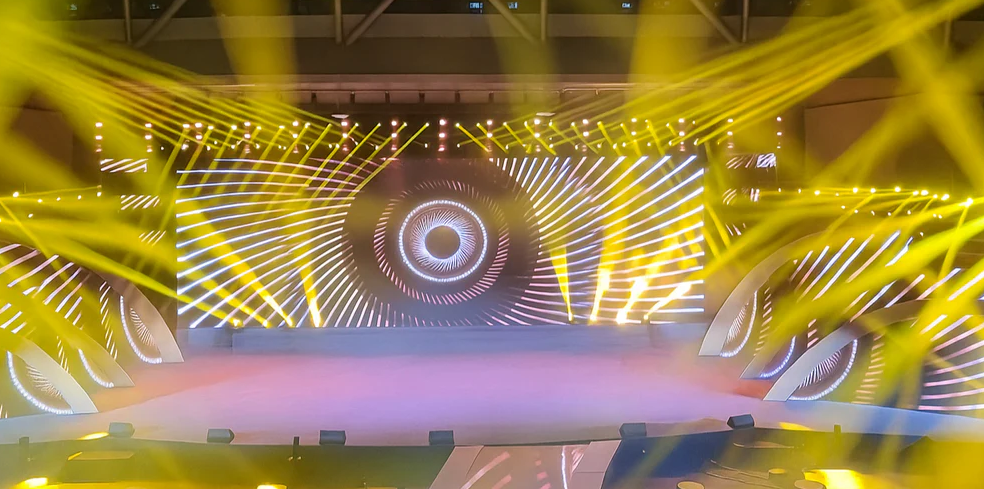
Not every performance happens in a massive concert arena or a giant theater. Across the world, countless performances take place in small venues such as cafés, churches, school halls, conference rooms, bars, restaurants, wedding stages, pop-up events, and mobile platforms. These compact spaces may have limited dimensions, low ceilings, and minimal installation possibilities, but they still demand professional and visually engaging lighting.
For lighting designers, small stages can actually become exciting creative challenges. Limited space forces designers to think smarter, use fixtures more efficiently, and focus on atmosphere rather than quantity. With the right equipment and techniques, even the smallest stage can feel dynamic, immersive, and visually impressive.
This article explores three essential lighting strategies that help maximize the visual potential of tight spaces:
Why mini moving head lights are the perfect solution for compact stages
How wide-angle wash lighting can remove the feeling of crowding
How hidden installation methods can improve aesthetics in low-ceiling venues
By understanding these concepts, lighting professionals can create “big-stage energy” in even the smallest performance areas.
1. Compact Advantages: Why Mini Moving Head Lights Are Lifesavers for Small Stages
The Challenge of Limited Space
Traditional stage lighting equipment is often designed for large venues. Full-sized moving heads can be bulky, heavy, and difficult to install in small environments. On a tight stage, oversized fixtures may create several problems:
They occupy valuable stage space
They overwhelm the audience visually
They are difficult to rig safely
They require higher ceilings
They generate excessive heat
They consume more power than small venues can support
For small-stage applications, using compact lighting fixtures becomes not only practical but necessary.
This is where mini moving head lights become game changers.
Why Mini Moving Heads Work So Well
Mini moving head lights provide many of the same effects as larger fixtures while taking up far less space. Modern compact fixtures are surprisingly powerful and can produce professional beam, wash, and spot effects suitable for various events.
1. Small Physical Size
Mini moving heads are lightweight and compact. They can easily fit into small truss systems, ceiling mounts, corners, or portable stage setups without dominating the environment.
This allows designers to use multiple fixtures even in limited spaces.
2. Flexible Installation
Because of their lighter weight, mini moving heads can be installed in areas where larger fixtures cannot:
Low ceilings
Portable truss systems
Wall mounts
DJ booths
Small balcony positions
Temporary event structures
Their flexibility gives lighting designers more creative freedom.
3. Reduced Heat Output
Small venues often suffer from poor ventilation. Large lighting fixtures can quickly make a room uncomfortable due to heat generation.
LED-based mini moving heads produce far less heat while maintaining brightness and color performance. This improves comfort for performers and audiences alike.
4. Lower Power Consumption
Many small venues have limited electrical capacity. Compact LED fixtures consume less power, reducing the risk of overloaded circuits.
This is especially important for:
Wedding venues
Mobile productions
Community theaters
Temporary stages
Outdoor pop-up events
Creating Dynamic Looks with Small Fixtures
One common misconception is that small fixtures create small effects. In reality, creative programming matters far more than fixture size.
Mini moving heads can produce:
Fast aerial movements
Sharp beam effects
Color transitions
Dynamic gobos
Audience sweeps
Rhythmic motion effects
When programmed correctly, several compact fixtures can create layered visual depth that makes a small stage feel larger.
For example:
Two fixtures can create crossing beam effects
Four fixtures can generate synchronized movement patterns
Wash and beam combinations can separate performers from backgrounds
The audience focuses on movement and atmosphere rather than fixture size.
Best Applications for Mini Moving Heads
Mini moving head fixtures are ideal for:
Bars and Clubs
Compact dance floors benefit from moving effects without excessive brightness.
Churches
Subtle color transitions and smooth movement enhance worship environments without distraction.
School Stages
Portable and affordable fixtures are easier for schools to manage and transport.
Wedding Events
Elegant movement effects create premium visual experiences in banquet halls.
Mobile DJs
Portable fixtures reduce transportation challenges while maintaining professional output.
Corporate Events
Conference rooms and hotel ballrooms often have strict space limitations that compact fixtures solve effectively.
2. Multi-Point Lighting: Using Wide-Angle Wash Lights to Remove the Feeling of Pressure
Why Small Spaces Feel Crowded
Small stages often feel visually compressed because lighting is concentrated into narrow areas. Poor lighting design can create:
Harsh shadows
Uneven brightness
Audience discomfort
Dark corners
Visual clutter
Instead of making the venue feel larger, incorrect lighting can emphasize its limitations.
Wide-angle wash lighting helps solve this problem.
The Power of Wide Coverage
Wash lights spread soft, even illumination across broader areas. In compact spaces, this creates several important benefits:
1. Reduced Visual Pressure
Wide and even lighting softens the boundaries of the room. Audiences perceive the space as more open and comfortable.
2. Better Performer Visibility
Performers remain evenly illuminated without harsh spotlight transitions.
3. Cleaner Background Appearance
Wash lighting eliminates distracting dark areas behind performers.
4. Improved Camera Performance
Events recorded for streaming or social media benefit from smoother lighting coverage.
Multi-Point Lighting Strategy
Instead of relying on one or two strong fixtures, small stages often perform better with multiple lower-output fixtures placed strategically.
This approach creates:
Balanced illumination
Greater depth
Better color consistency
Smoother transitions
For example:
Front wash lights illuminate faces
Side washes create dimension
Back washes separate performers from backgrounds
Floor-mounted washes add atmosphere
The result feels immersive rather than cramped.
Creating Depth in Tight Spaces
Depth is critical for making small stages feel visually larger.
Wide-angle wash lights help achieve this by:
Illuminating backgrounds separately
Adding color layers
Creating visual separation
Enhancing stage texture
Even a stage only a few meters deep can appear much larger when layered lighting techniques are applied correctly.
Color Choices Matter
Color psychology strongly influences spatial perception.
Recommended Colors for Small Spaces
Cool Colors
Blue and cyan tones create a sense of openness.
Soft Pastels
Gentle color palettes reduce visual stress.
Warm White
Natural warm white lighting creates comfort and intimacy.
Colors to Use Carefully
Deep Red
Can make spaces feel smaller and heavier.
Excessive Saturation
Too much intense color may overwhelm audiences in compact venues.
Balance is essential.
3. Hidden Installation: How to Use Clamps and Concealed Mounting in Low-Ceiling Venues
The Importance of Visual Cleanliness
In small venues, audiences are physically closer to the lighting equipment. Unlike large arenas where fixtures disappear into overhead rigging, compact venues expose every cable, clamp, and fixture.
Visible equipment can:
Distract audiences
Reduce visual professionalism
Make ceilings appear lower
Create cluttered environments
Hidden installation techniques significantly improve the visual experience.
Challenges of Low Ceilings
Low ceilings limit:
Fixture angles
Hanging positions
Beam spread
Rigging options
Traditional overhead truss systems may not fit properly.
Designers must maximize lighting impact while minimizing visual intrusion.
Smart Clamp Positioning
Proper clamp usage is essential for discreet installations.
Wall Corner Mounting
Installing fixtures near room corners helps conceal equipment while maximizing beam coverage.
Ceiling Edge Placement
Positioning fixtures near ceiling edges reduces audience awareness of the hardware.
Structural Beam Integration
Using existing architectural elements helps lighting blend naturally into the venue.
Compact Truss Solutions
Mini truss systems work extremely well in small venues because they:
Occupy less space
Appear less aggressive visually
Support lightweight fixtures safely
Improve portability
Short vertical truss towers can also create professional looks without overwhelming the stage.
Cable Management Matters
Poor cable management instantly reduces production quality.
For small venues:
Use black cables on dark surfaces
Route cables along architectural lines
Use cable sleeves for organization
Avoid visible hanging loops
Clean cable management helps lighting appear intentional and professional.
Wireless Technology Improves Cleanliness
Wireless DMX systems are especially valuable for tight spaces because they:
Reduce cable clutter
Simplify installation
Improve mobility
Increase safety
Battery-powered wireless fixtures are becoming increasingly popular for weddings, restaurants, and event spaces.
Safety Must Always Come First
Even in small venues, safety standards remain critical.
Always ensure:
Secure fixture attachment
Proper safety cables
Adequate ventilation
Correct power distribution
Stable mounting surfaces
Compact installations should never compromise safety.
Combining All Three Strategies
The most effective small-stage lighting systems combine:
Compact moving fixtures
Wide-angle wash lighting
Hidden installation techniques
Together, these elements create:
Larger visual perception
Cleaner stage appearance
Greater audience immersion
Professional production quality
Small spaces no longer need to feel limiting.
Future Trends in Small-Stage Lighting
As lighting technology continues to evolve, small-stage solutions are becoming even more advanced.
Future trends include:
Smaller but brighter LED engines
More efficient battery systems
AI-assisted programming
Wireless synchronization
Integrated app control
Lightweight portable fixtures
These innovations will continue helping designers achieve professional results in compact environments.
Conclusion
Small stages may have physical limitations, but they also offer unique creative opportunities. With thoughtful fixture selection and intelligent lighting design, compact venues can deliver stunning visual experiences equal to much larger productions.
Mini moving head lights provide flexibility and dynamic movement without overwhelming the stage. Wide-angle wash lighting helps eliminate visual pressure and create spatial openness. Hidden installation techniques maintain clean aesthetics and maximize professionalism in low-ceiling venues.
Ultimately, successful small-stage lighting is not about using more equipment. It is about using the right equipment creatively and efficiently.
When designers embrace the possibilities of compact environments, even the tightest spaces can produce unforgettable visual impact.



Blue Sea Lighting is an enterprise with rich experience in the integration of industry and trade in stage lighting and stage special effects related equipment. Its products include moving head lights, par lights, wall washer lights, logo gobo projector lights, power distributor, stage effects such as electronic fireworks machines, snow machines, smoke bubble machines, and related accessories such as light clamps.
Quick Links
For more questions subscribe to our email